15.06.2021
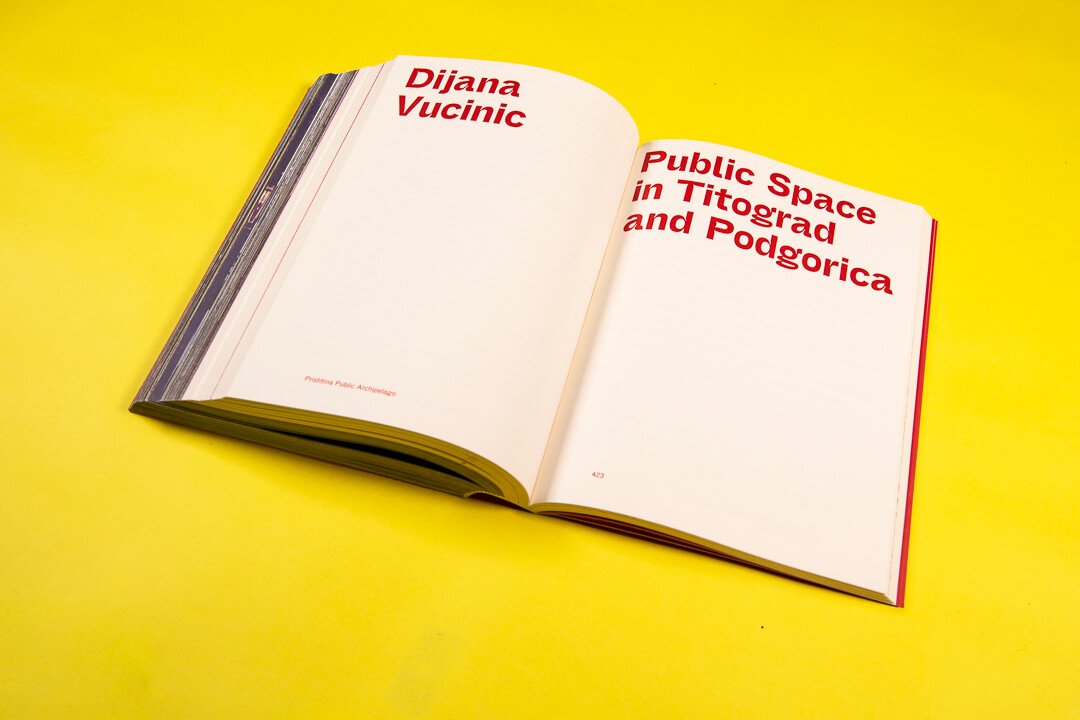
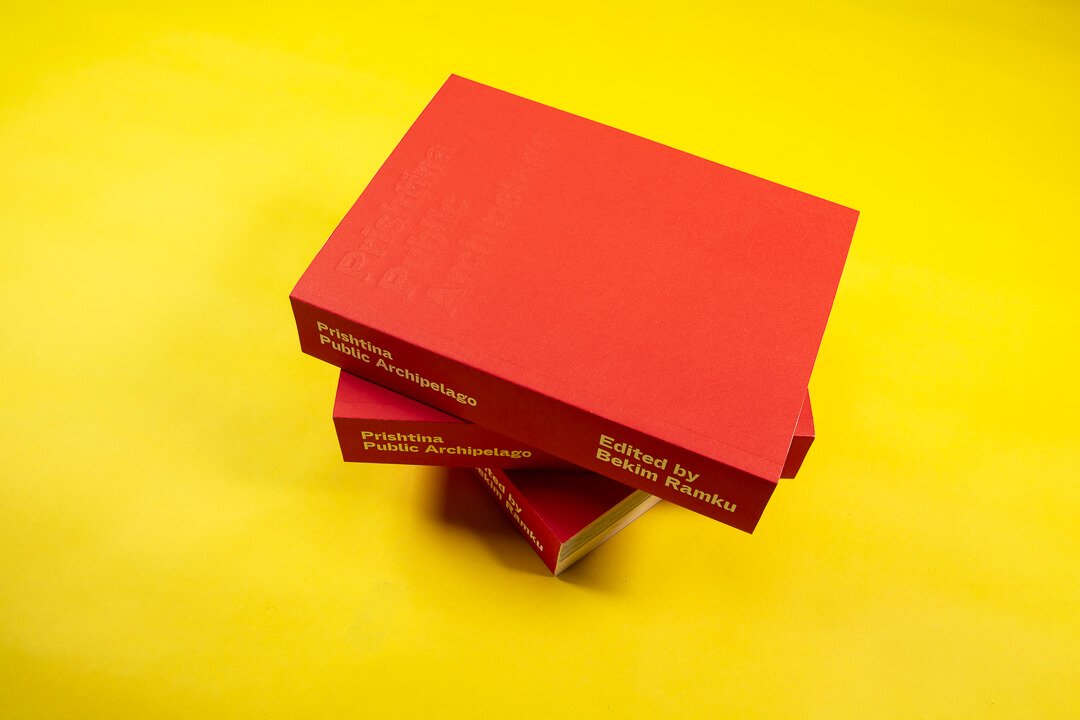
We are proud to announce the publication of Prishtina Public Archipelago, a comprehensive research book developed in parallel with the study and installation presented at the 17th International Architecture Exhibition — How Will We Live Together? at La Biennale di Venezia, curated by Hashim Sarkis.
The book extends the intellectual, spatial, and political inquiry introduced in Venice, transforming the Biennale installation into a lasting research document. While the exhibition offered a spatial and visual narrative within the Arsenale, this publication deepens the investigation into Prishtina’s public realm — its fragmentation, resilience, contradictions, and latent potentials.
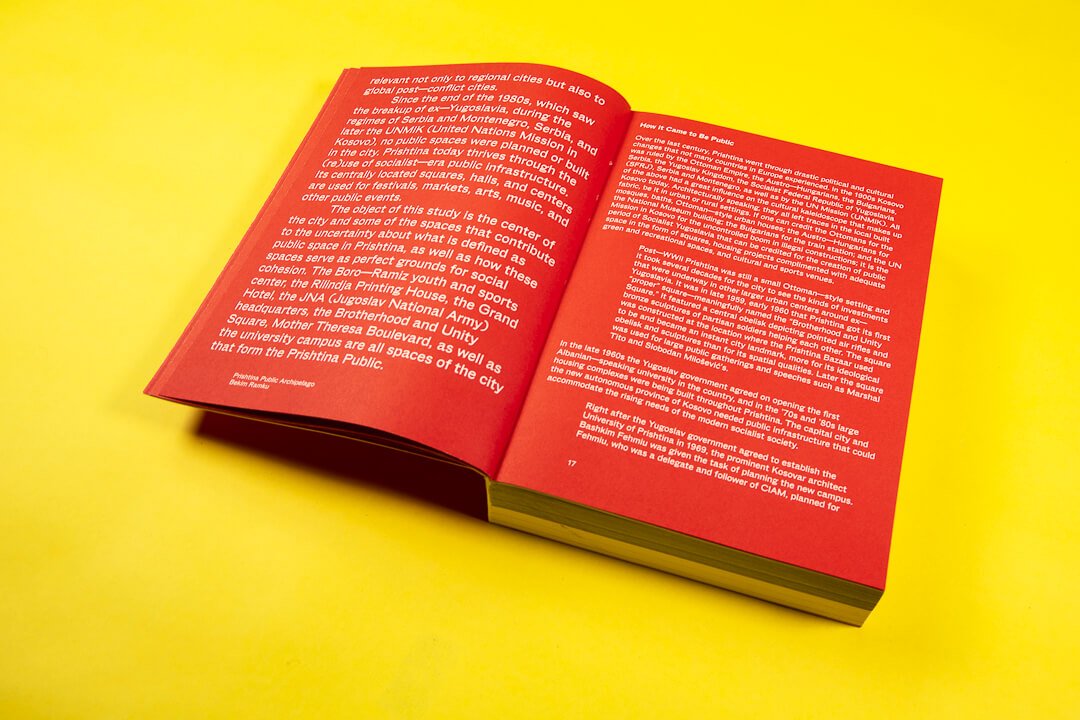
Prishtina Public Archipelago conceptualizes the city not as a unified urban fabric, but as a constellation of dispersed public islands — cultural institutions, modernist landmarks, informal spaces, infrastructural voids, and contested civic grounds. These fragments, shaped by socialist planning, post-war reconstruction, rapid privatization, and unregulated growth, form an archipelago of spatial and social conditions that collectively define the contemporary public sphere.
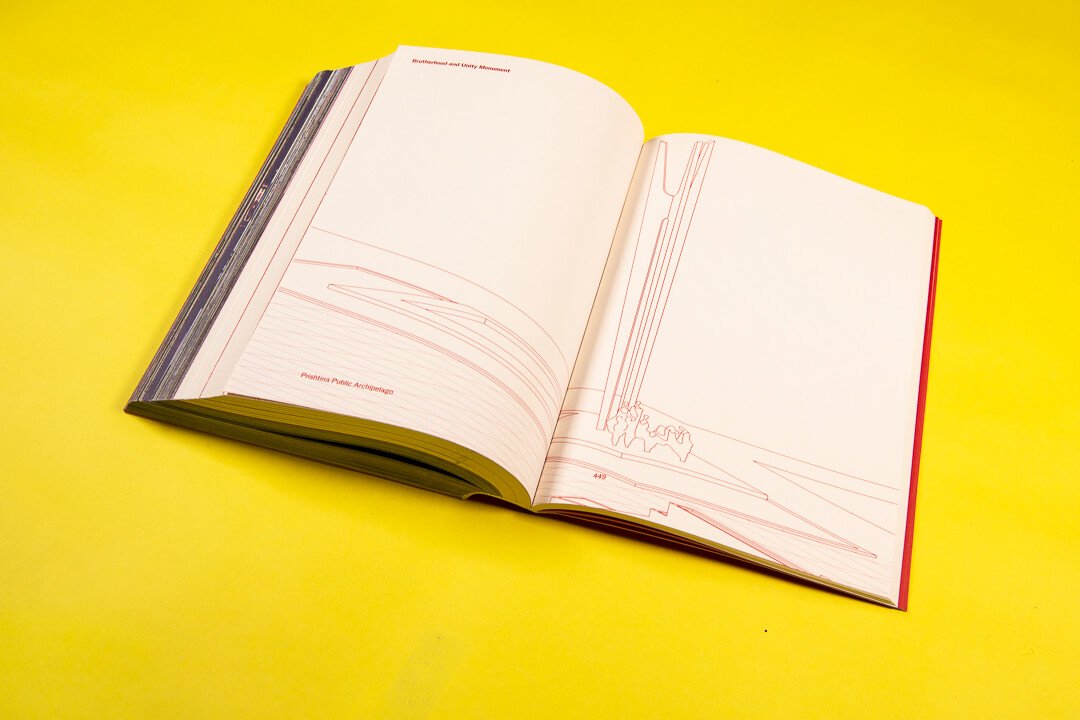
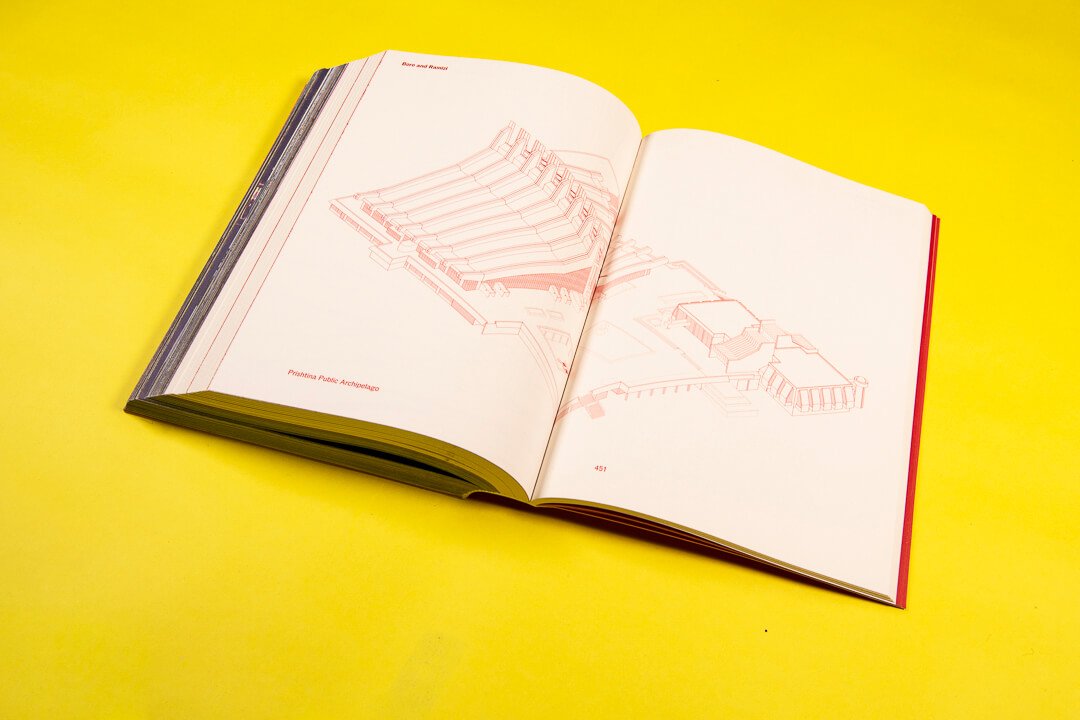
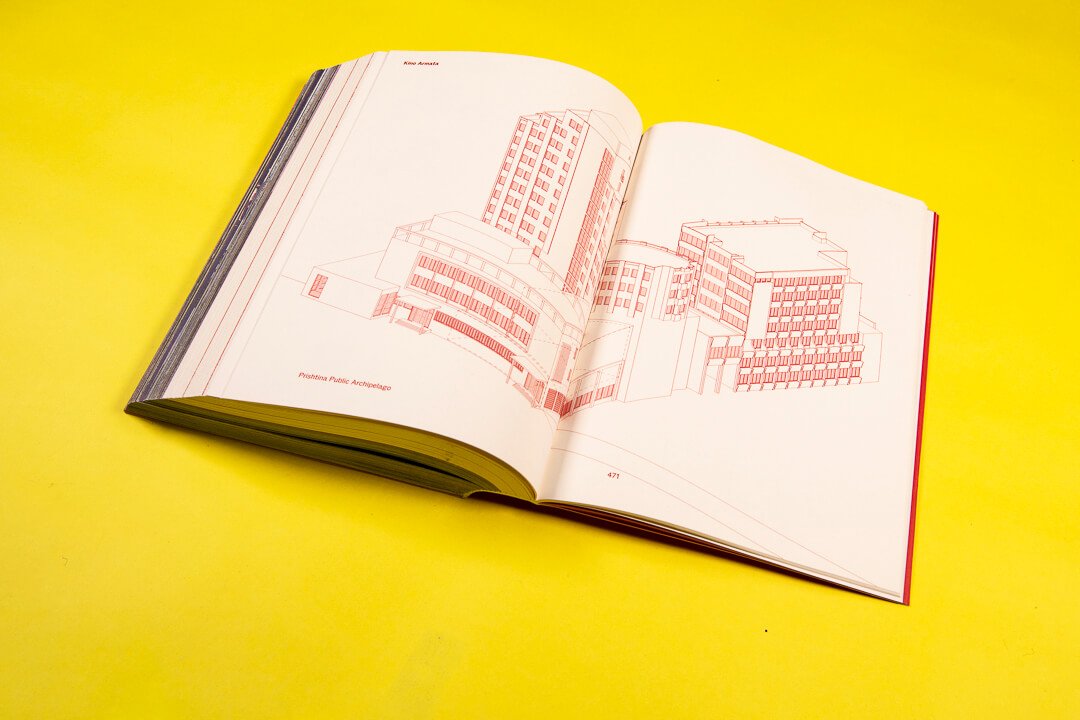
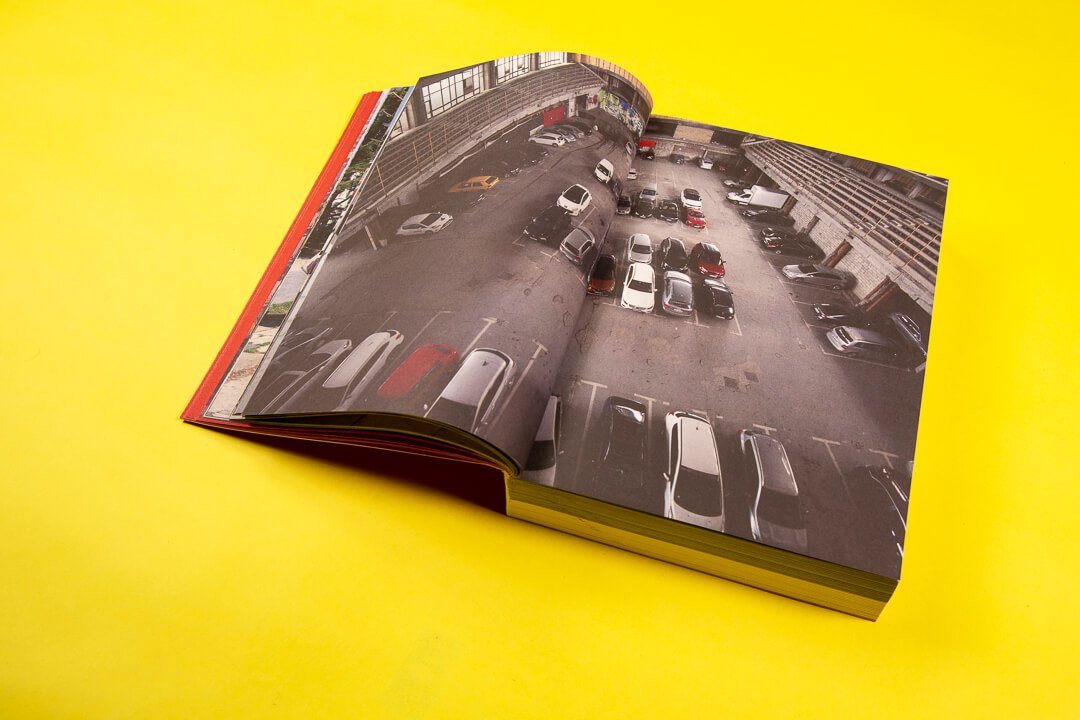
The book maps and interprets these sites as interconnected yet autonomous entities. Through architectural drawings, cartographies, archival research, interviews, and newly commissioned photography, it reconstructs the layered narratives embedded in Prishtina’s public spaces and reveals how they operate as arenas of negotiation between memory, power, and collective life.
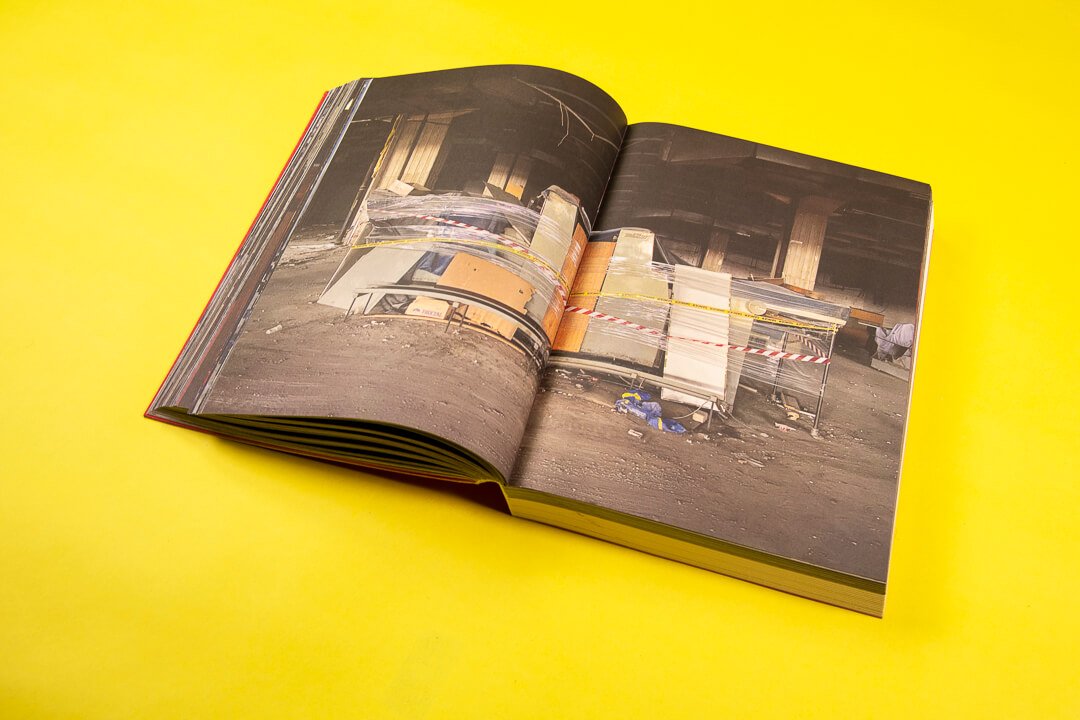
Presented as part of the Co-Habitats section of the Biennale, the installation proposed a framework for rethinking coexistence through the lens of public space in a post-conflict capital. The publication expands this framework into a rigorous and multidimensional research platform, offering:
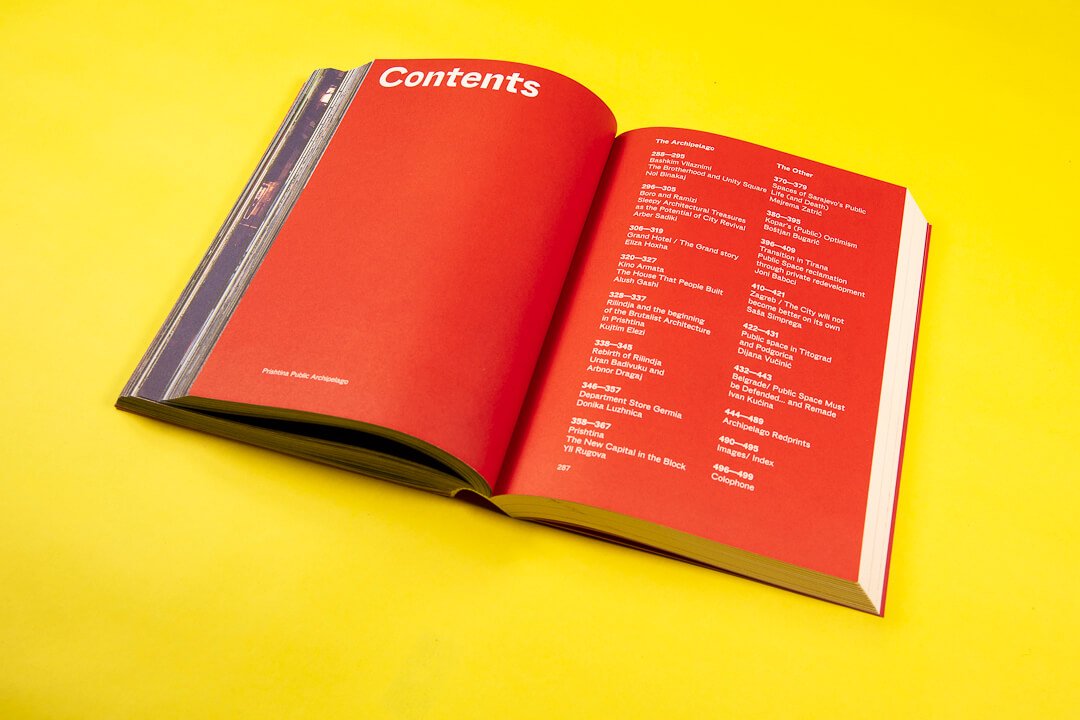
Critical essays addressing post-conflict urbanism, public space theory, and the politics of memory in Southeast Europe.
Analytical mappings and diagrams tracing the evolution of key civic sites.
Speculative architectural proposals that test alternative futures for Prishtina’s public realm.
Historical documentation and archival material situating contemporary conditions within broader political and cultural transformations.
By shifting from exhibition to book format, the research gains durability and accessibility, allowing scholars, practitioners, and policymakers to engage with the project beyond the temporal boundaries of the Biennale.
The publication positions Prishtina within a global conversation on how cities shaped by rupture and rapid transition can imagine new forms of collective life. In alignment with the Biennale’s overarching question — How Will We Live Together? — the book argues that coexistence begins with the recognition and reactivation of shared public space.
As one of the few comprehensive architectural studies dedicated to Prishtina’s civic landscape, Prishtina Public Archipelago contributes not only to Kosovo’s architectural discourse but also to broader debates on urban resilience, public commons, and spatial justice.
More than documentation, the book is an invitation: to rethink the city as a field of relationships rather than isolated objects; to understand public space as a living infrastructure of democracy; and to recognize the archipelago as a model for navigating complexity in contemporary urban environments.
Prishtina Public Archipelago stands as a lasting outcome of OUD+Architects’ participation in the 2021 Architecture Biennale — transforming a moment of exhibition into an enduring body of knowledge.
For further information and selected excerpts, visit: https://archipelagopr.com