21.05.2021
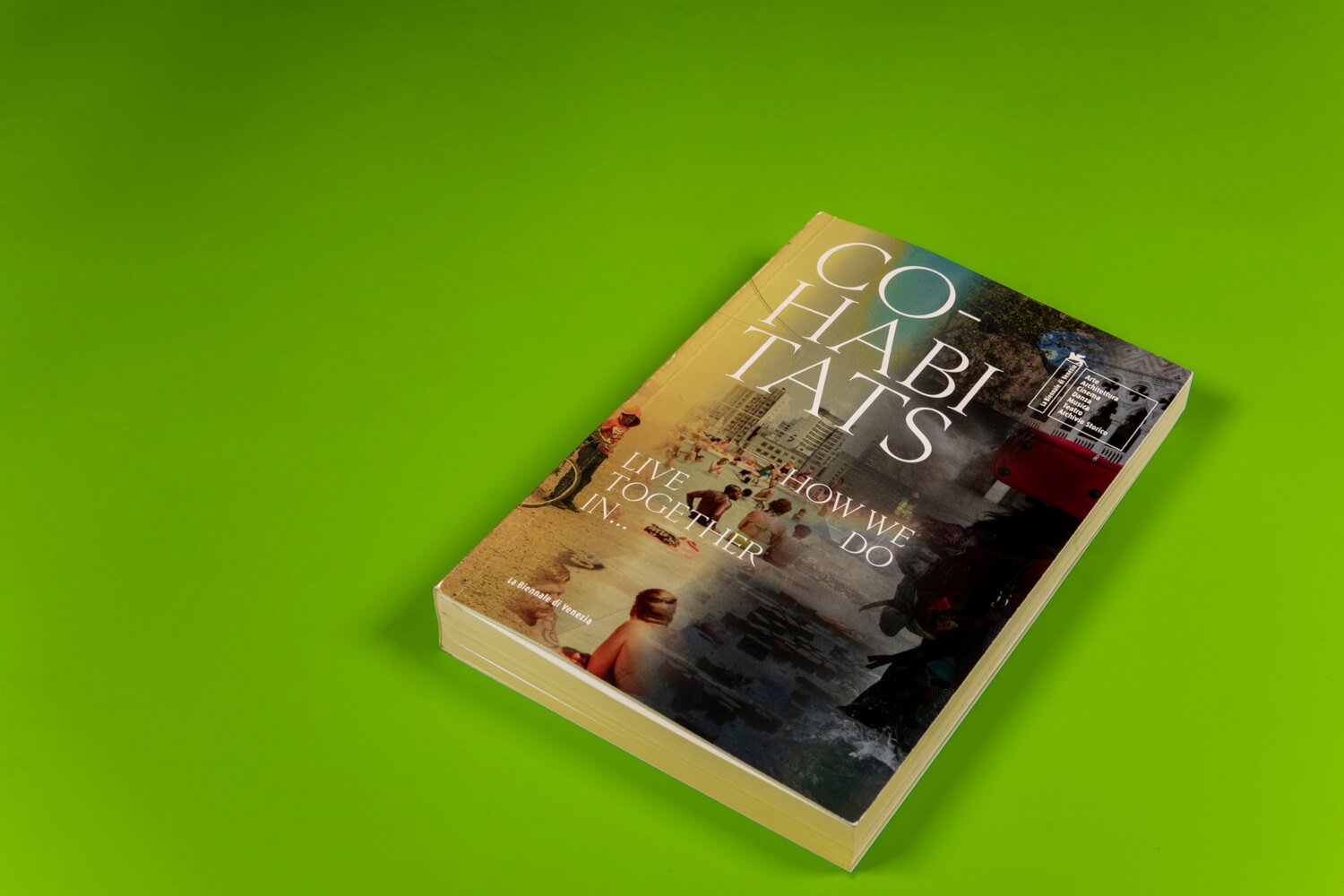
Bekim Ramku and OUD+Architects are among the selected contributors to Co-Habitats how we do live together book, edited by Hashim Sarkis and published by Marsilio Editori.
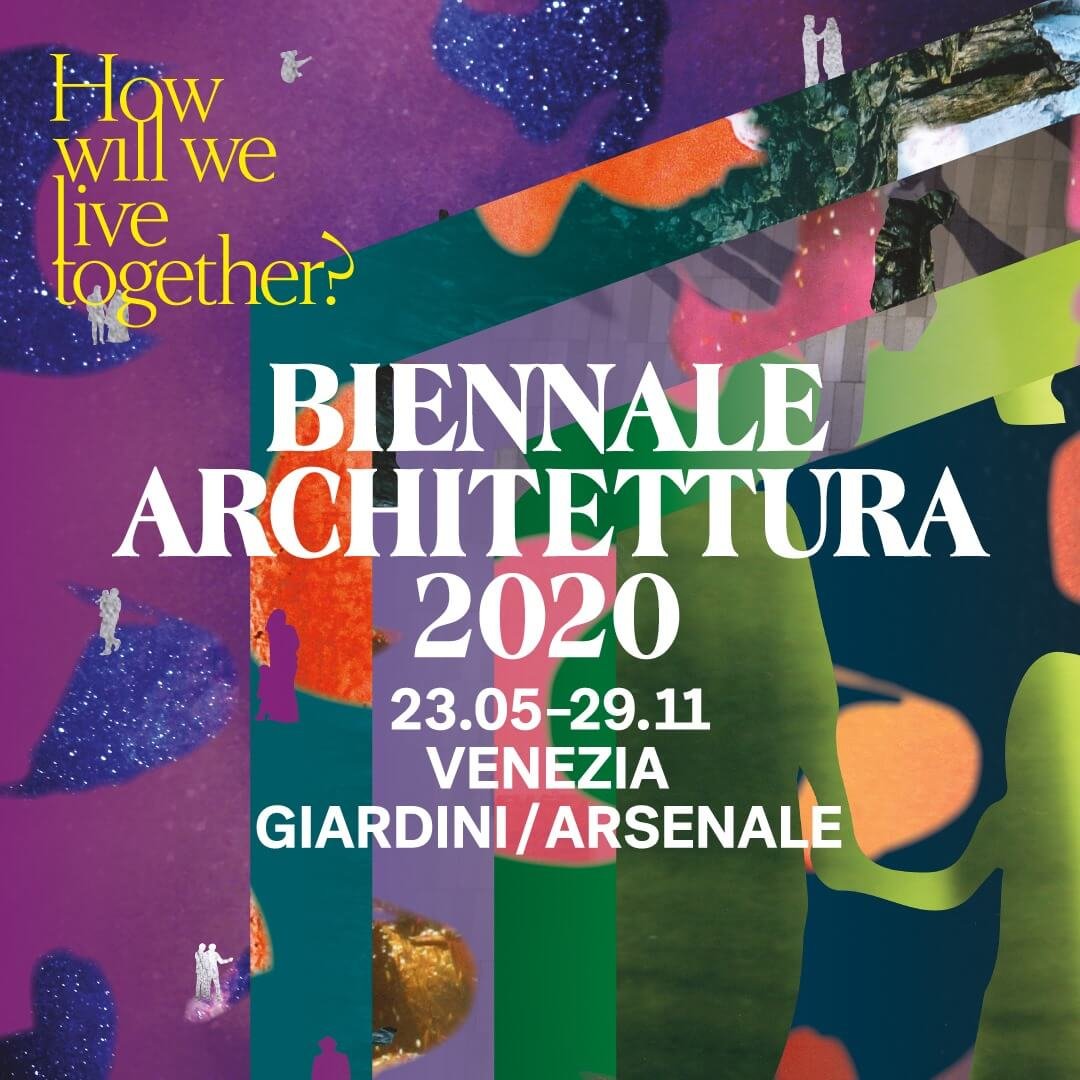
Co-Habitats brings together the work of architects, researchers, and collectives invited to reflect on one of the most pressing questions of our time — How will we live together? — and to propose frameworks for coexistence in an increasingly interconnected, unequal, and climate-challenged world. The book expands the scope of the exhibition into a durable discursive platform, pairing visual installations with critical texts that interrogate social, political, and spatial conditions across diverse global contexts.
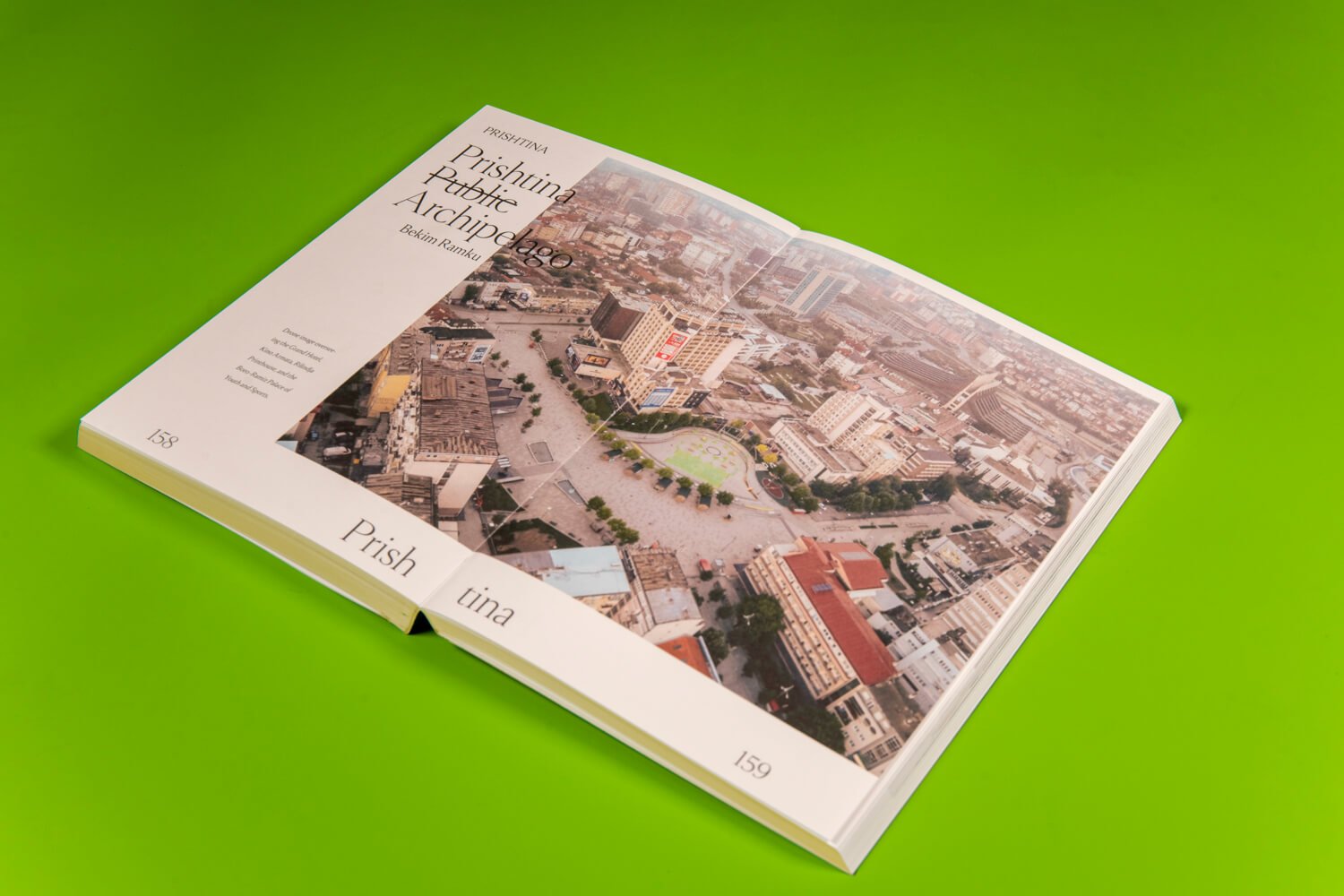
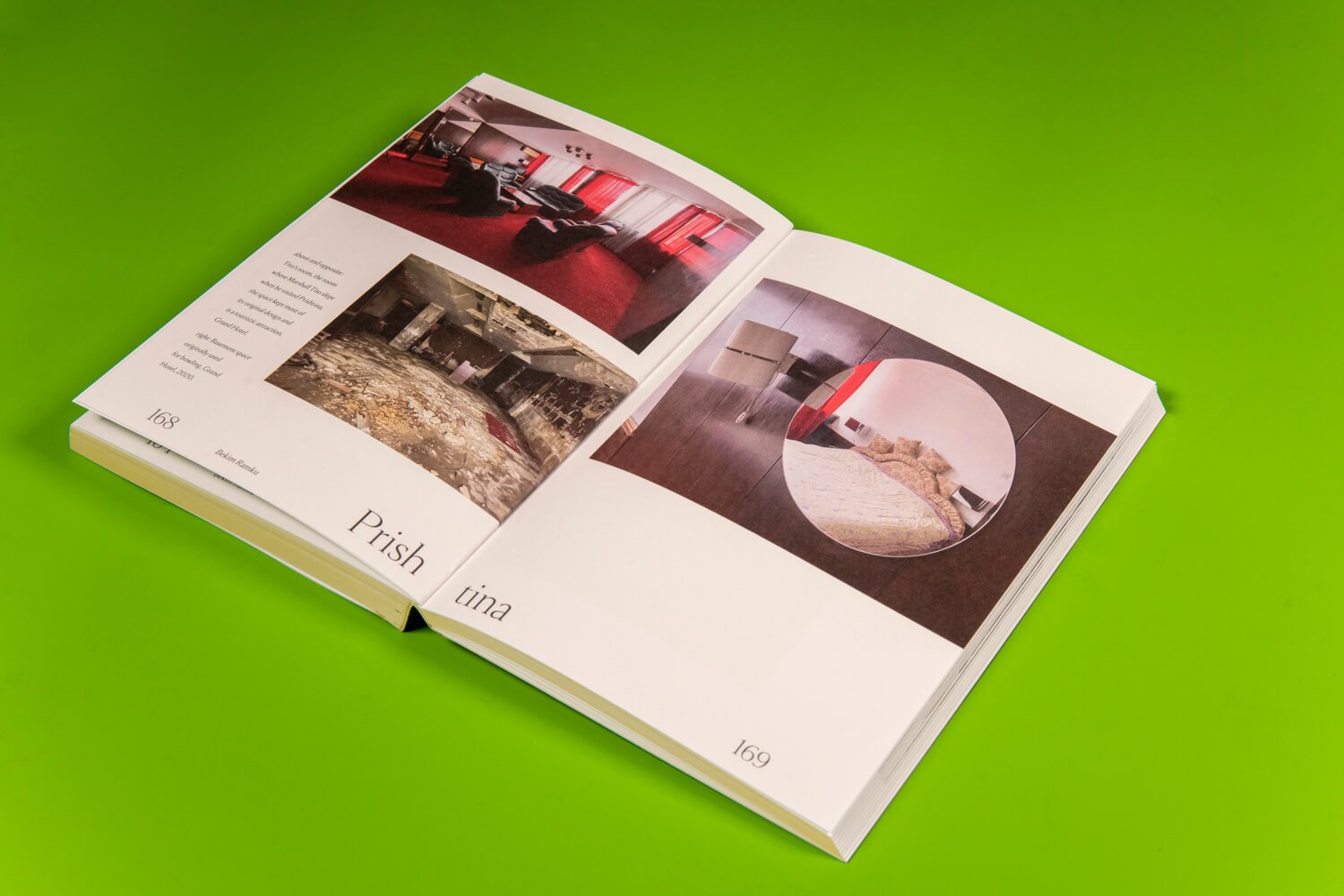
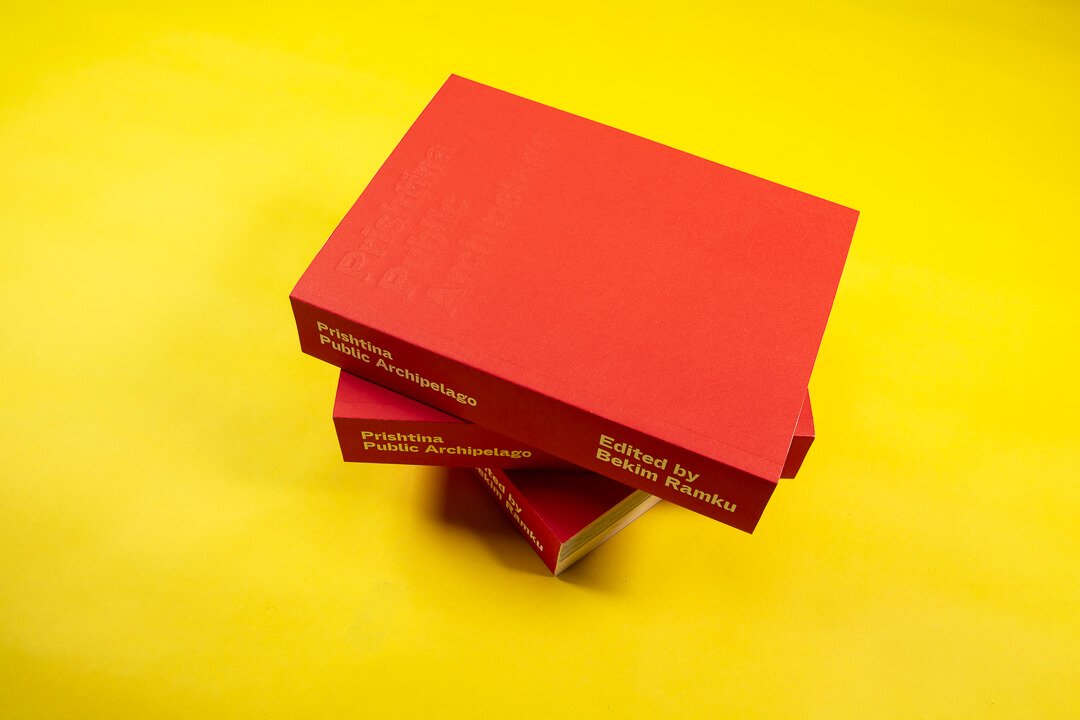
Bekim Ramku’s contribution — developed through OUD+Architects and in collaboration with the Kosovo Architecture Foundation — forms a significant part of this dialogue. Situated within the Co-Habitats thematic section, the work engages architectural research with the lived realities of Prishtina, interrogating the production, dissolution, and potential reconfiguration of public space in a post-conflict capital.
The contribution traces the city’s public realm as an “archipelago” of spatial and social fragments — cultural institutions, civic grounds, modernist landmarks, informal zones, and infrastructural voids — each shaped by histories of rapid transformation, contested memory, and competing notions of collective life. By foregrounding this archipelagic condition, the work challenges conventional urban models and proposes a reading of public space as a network of dispersed, yet interrelated, civic territories.
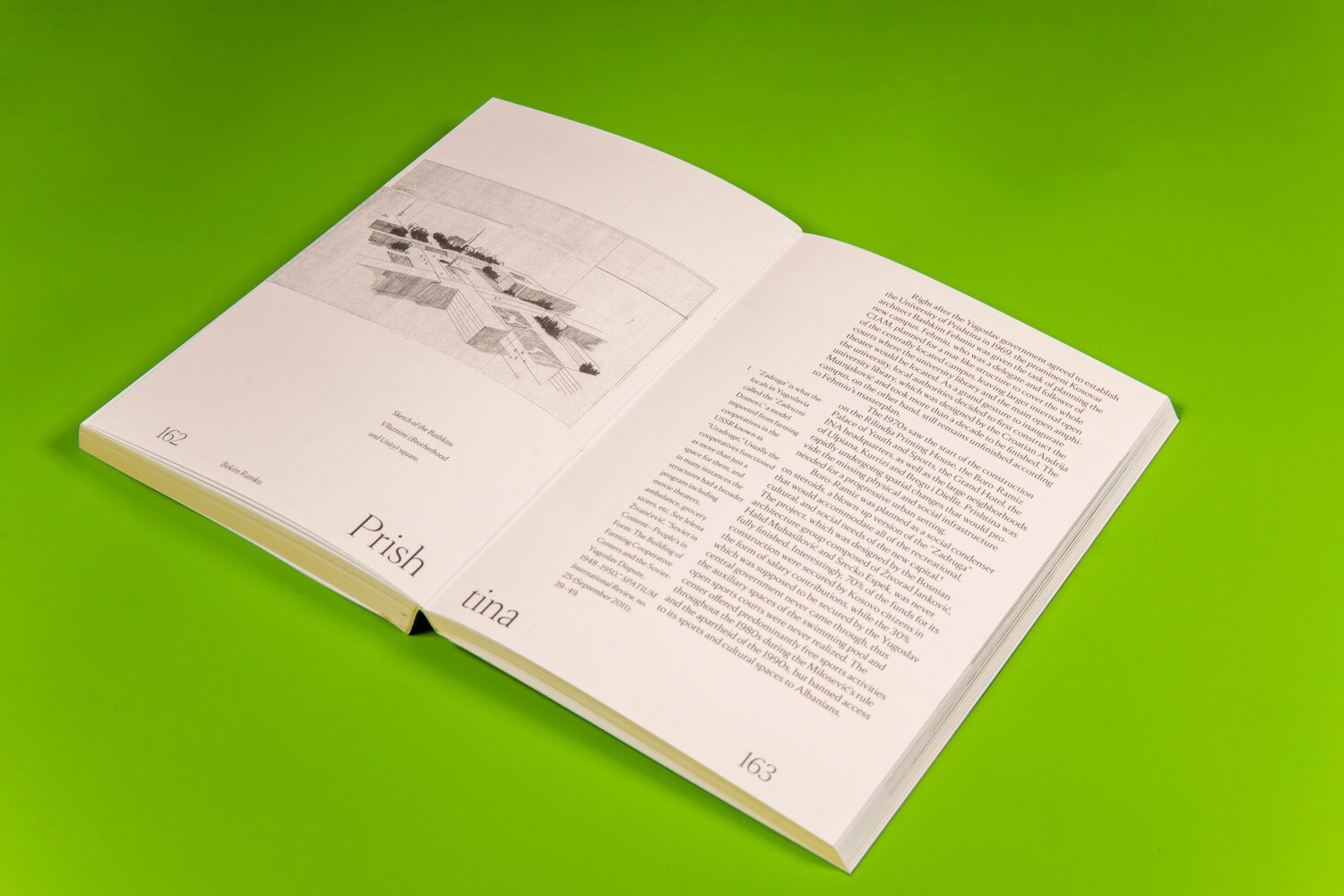
In Co-Habitats, Bekim Ramku and OUD+Architects’ text and visual narratives serve to:
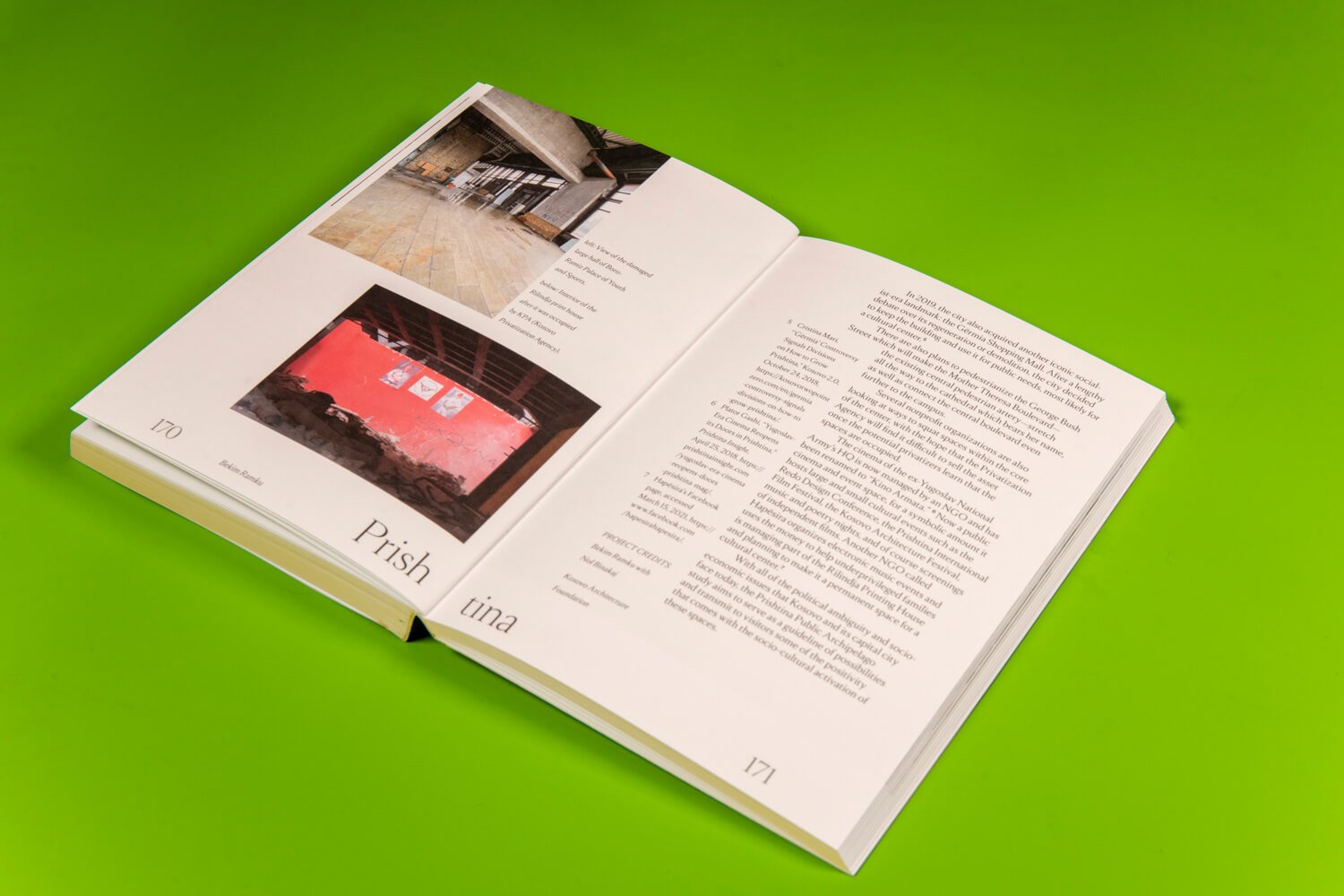
Their contribution underscores the Biennale’s central inquiry by showing how coexistence is not only a question of design, but also of shared histories, contested territories, and the ongoing negotiation of communal life. In doing so, it enriches Co-Habitats as both a catalogue of the exhibition’s ideas and a lasting reference for architects, theorists, and urban thinkers.
By placing Prishtina’s spatial and social complexities into conversation with global practices and critical frameworks, the contribution by Bekim Ramku and OUD+Architects reaffirms the relevance of context-specific architectural research in discussions about how we might — collectively — inhabit the future.