24.01.2025
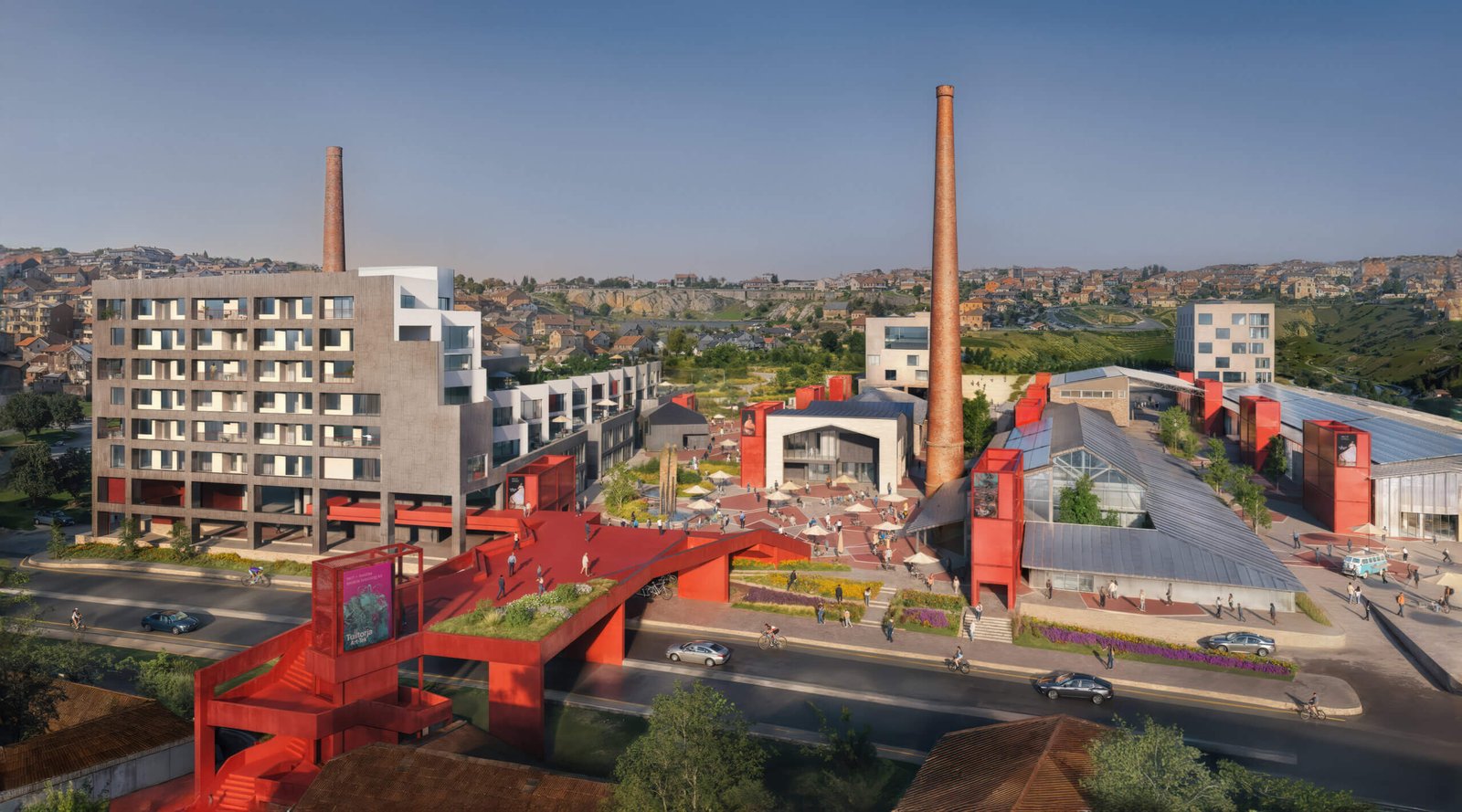
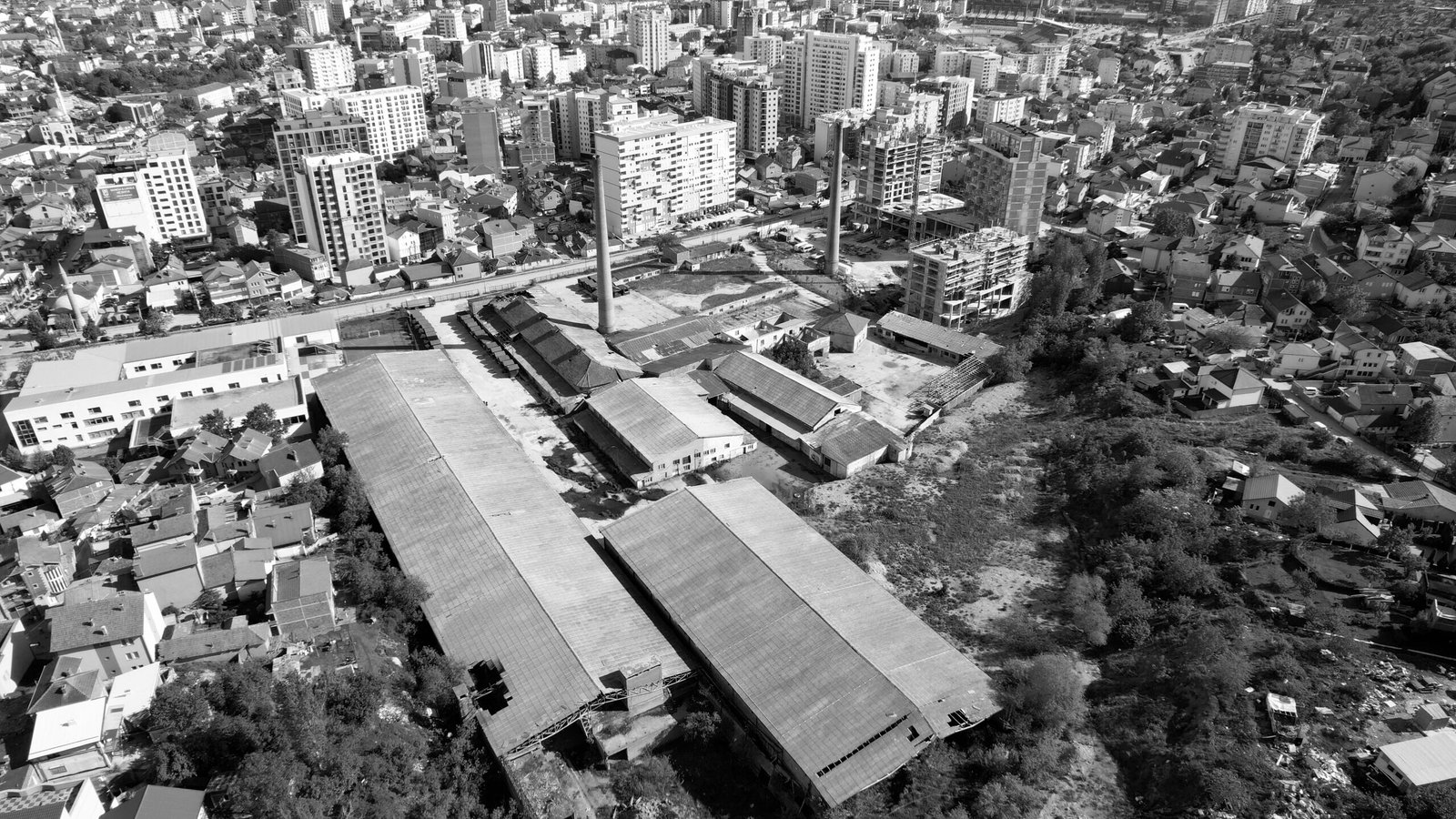
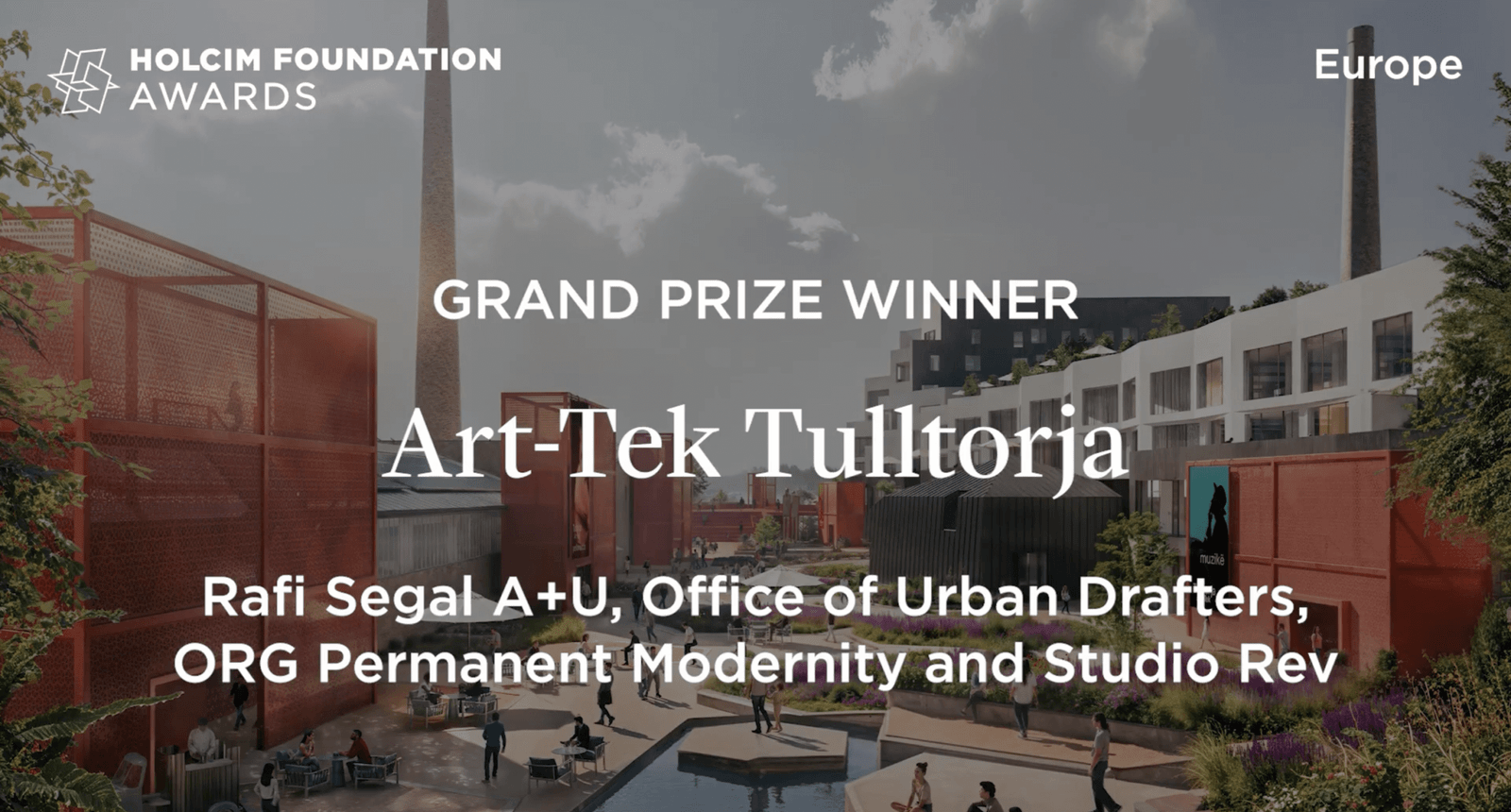
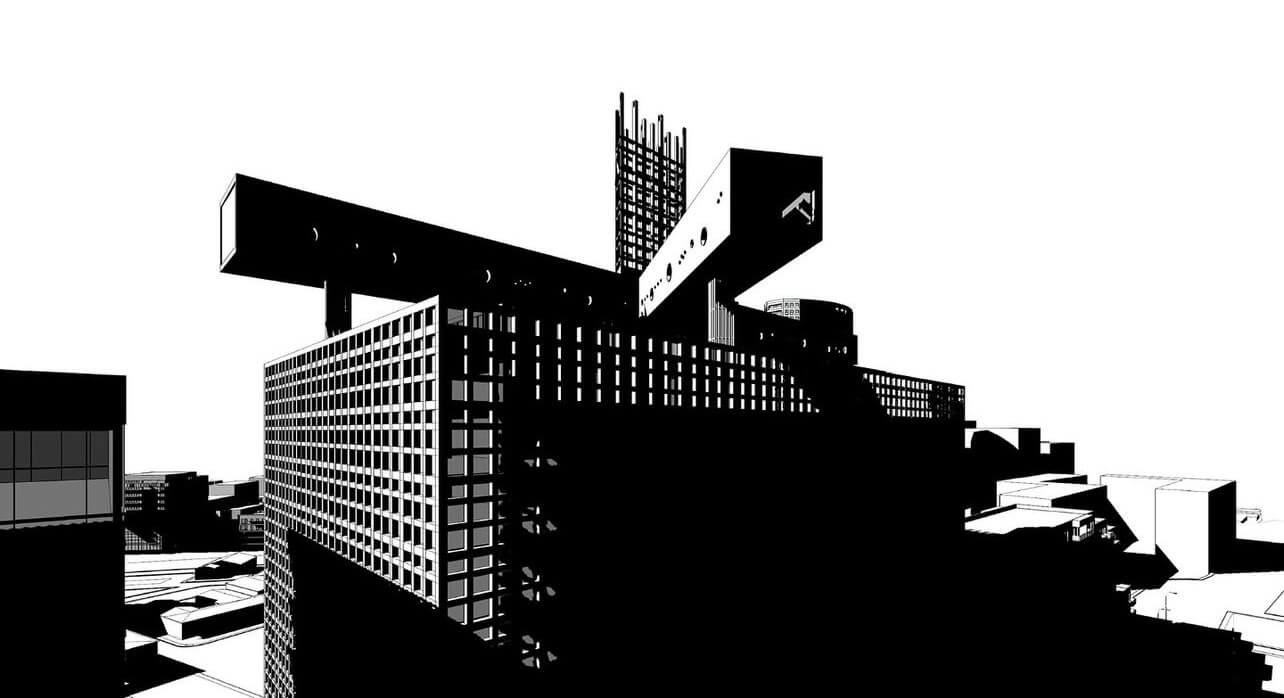
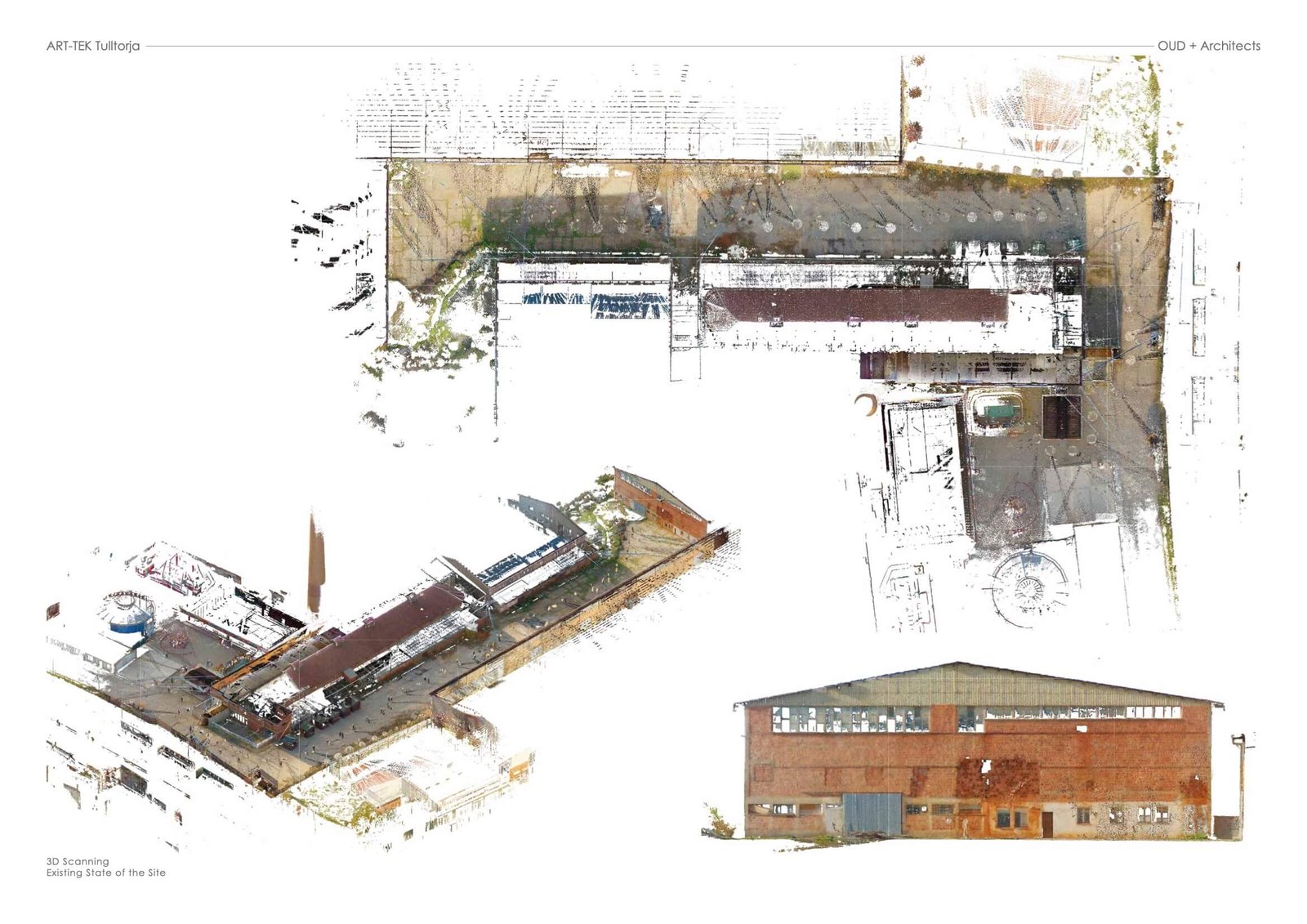
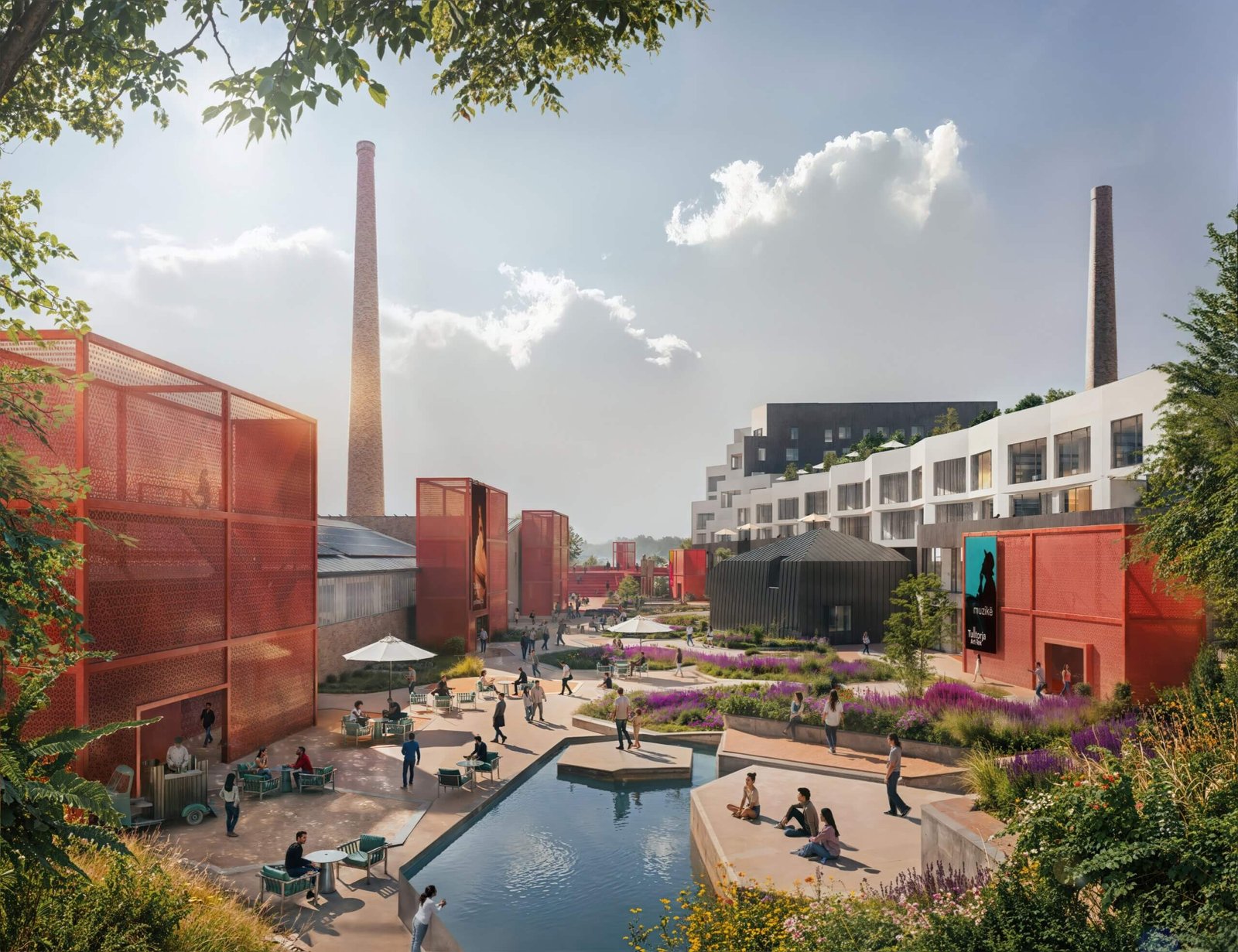
Art-Tek Tulltorja reimagines a derelict brick factory in Prishtina as a forward-looking art and technology hub, positioning adaptive reuse as a catalyst for cultural regeneration in a post-conflict urban context. Rooted in the preservation of industrial heritage, the project transforms an abandoned production landscape into a dynamic civic environment where creativity, innovation, and community life intersect. Through a careful balance of memory and transformation, Tulltorja converts industrial remnants into active spatial and social assets, mediating between past and future.
Urban Strategy & Connectivity
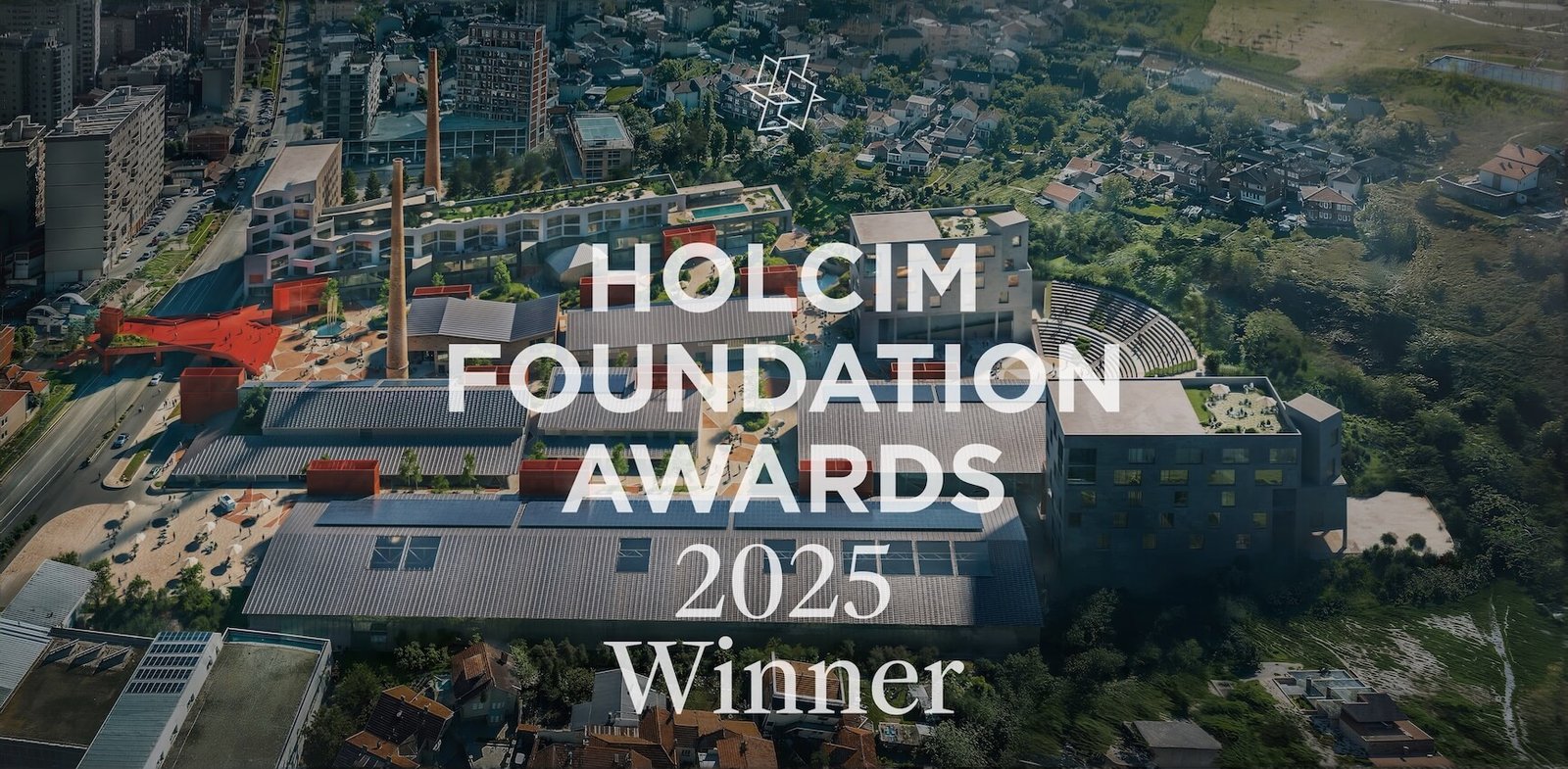
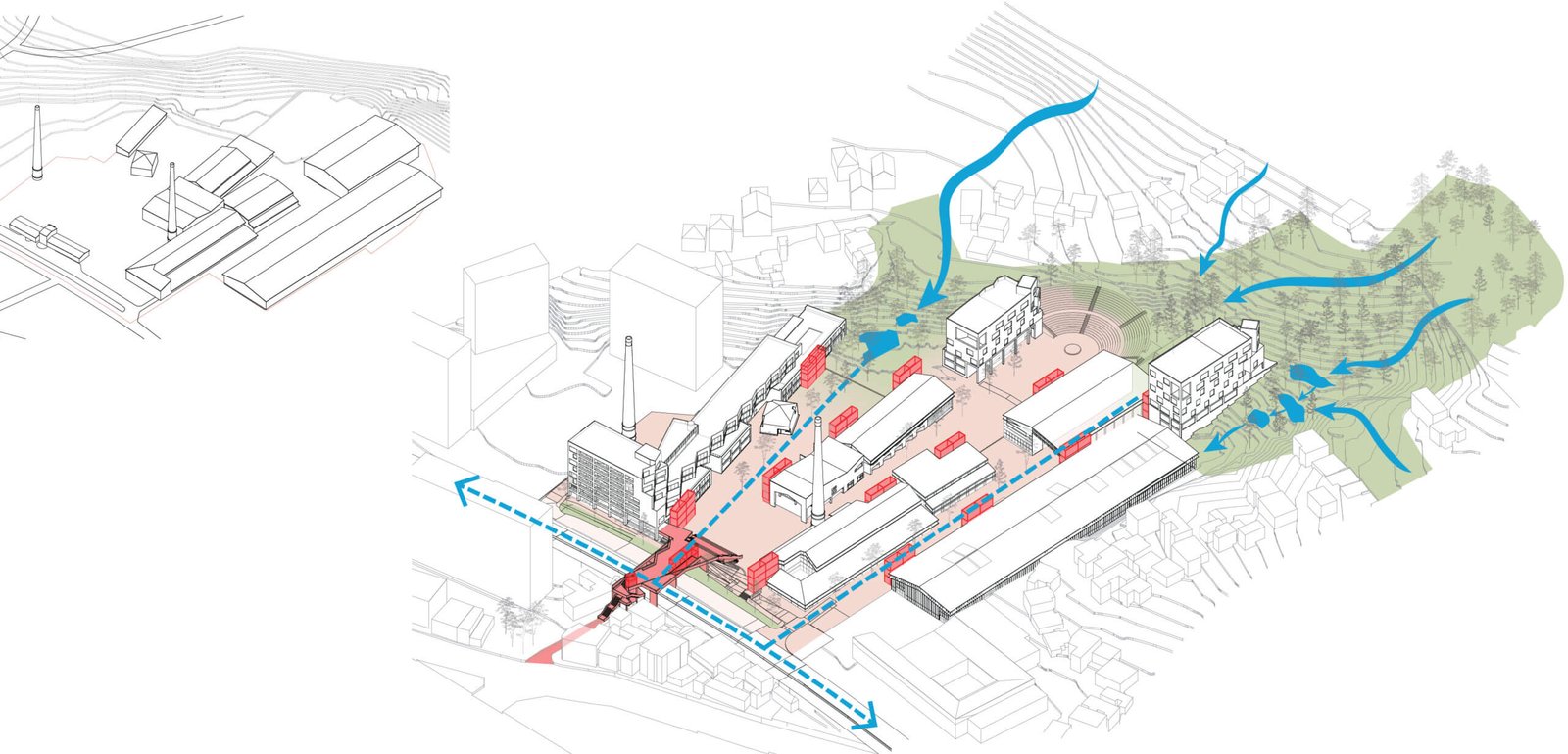
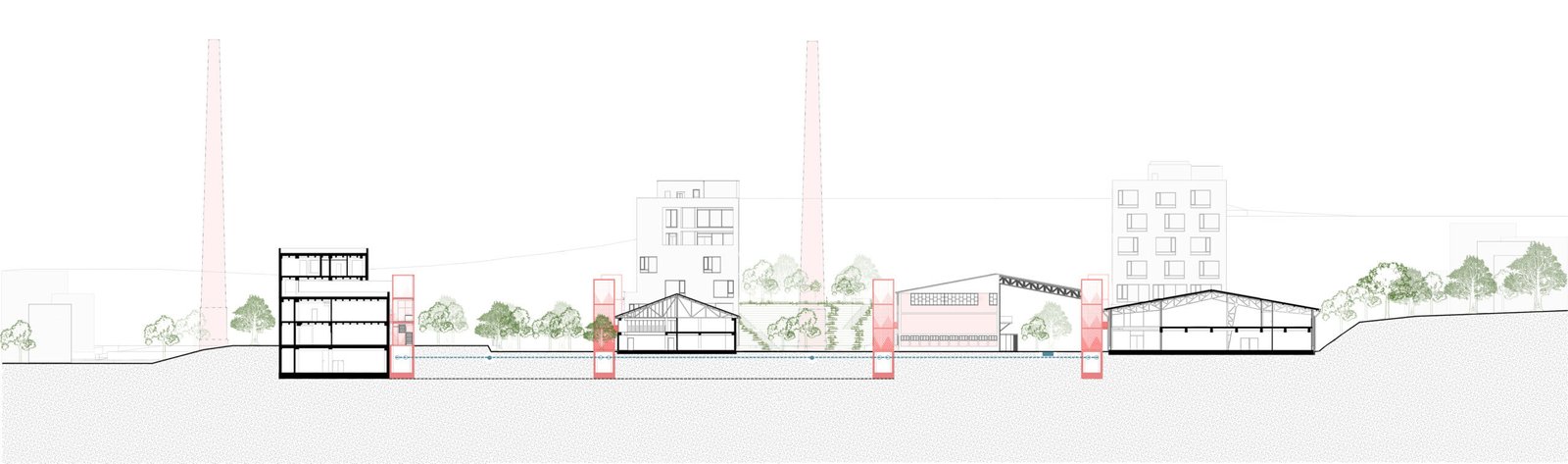
Strategically located at a cultural and infrastructural crossroads, Art-Tek Tulltorja establishes a vital urban link between Prishtina’s city center and historically underserved neighbourhoods. By opening previously inaccessible industrial land to the public, the project redefines the site as an inclusive civic connector and an urban threshold. Spanning 16 hectares, the redevelopment reframes a former industrial enclave as a shared public landscape—an urban oasis that stitches together fragmented parts of the city.
Program & Social Impact
Conceived as a vibrant, community-centered destination, Tulltorja offers a diverse mix of maker studios, educational facilities, cultural venues, and public open spaces. These programs respond directly to pressing social challenges, particularly youth unemployment, skills development, and social cohesion. Flexible workshops support emerging creative industries, while learning environments foster technological literacy and experimentation. Public parks, playgrounds, and informal gathering spaces—along with playful vertical elements such as multi-story slides—encourage intergenerational interaction and reinforce a strong sense of collective ownership.
Sustainability & Circular Construction
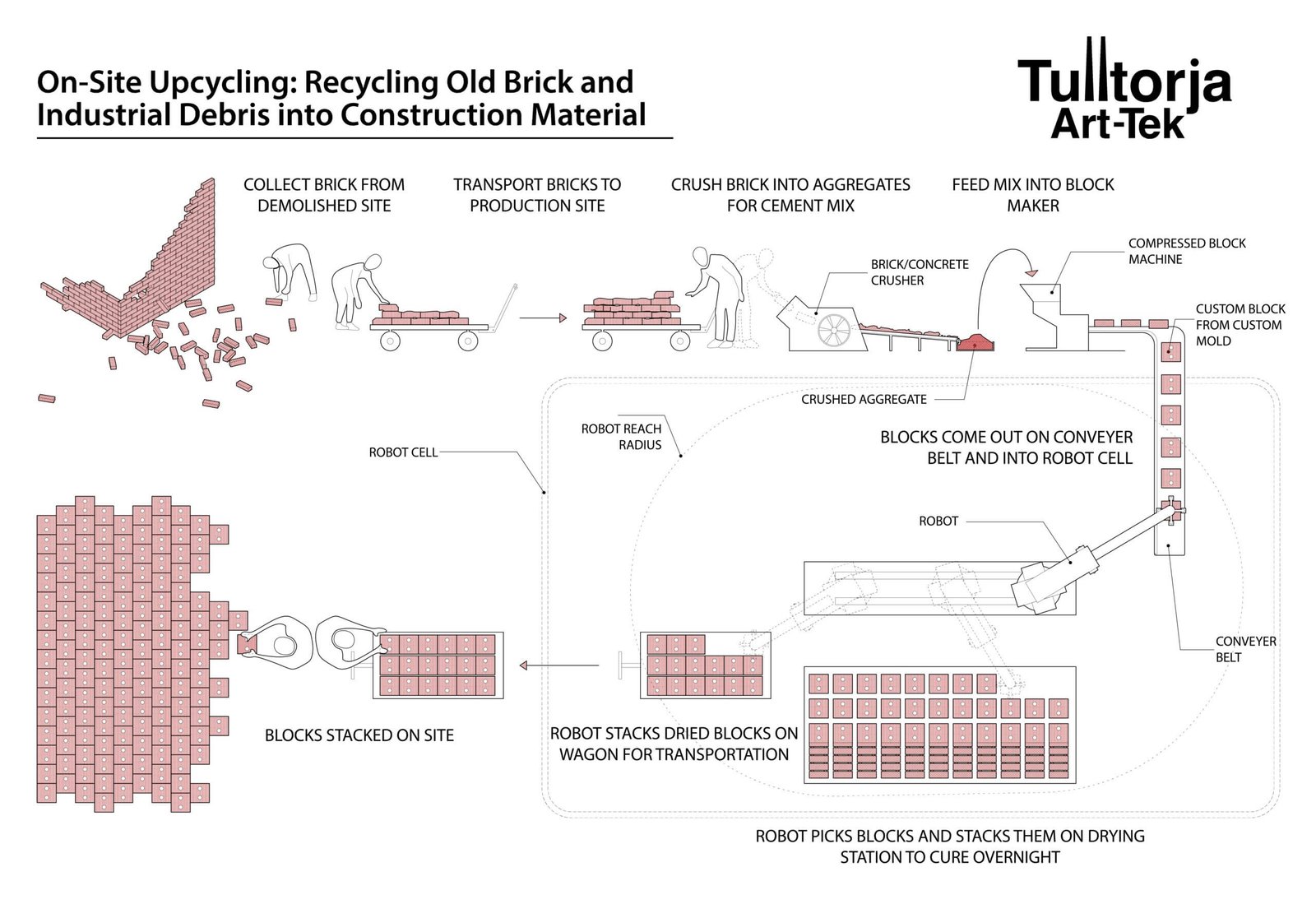
Sustainability forms the core of Art-Tek Tulltorja’s vision. Extensive on-site solar energy production supports long-term energy autonomy, while passive design strategies—natural ventilation, shading, and climate-responsive layouts—enhance environmental performance. Recycled industrial materials and carbon-storing timber structures significantly reduce embodied emissions. A robotic fabrication system repurposes industrial debris and existing bricks into paving, landscape features, and architectural elements, embedding circular construction principles across the site. Biodiversity-rich green zones, green roofs, and urban parks improve air quality, strengthen ecological resilience, and transform the site into a living system for environmental regeneration.
Participation & Cultural Regeneration
Art-Tek Tulltorja is shaped through a participatory design process that actively engages local communities, cultural actors, educators, and youth. This inclusive approach ensures that the redevelopment reflects shared aspirations rather than imposed agendas. Cultural programming, performance spaces, and public events position the project as a new platform for artistic production and civic expression, reinforcing Prishtina’s cultural identity while nurturing new forms of collaboration and exchange.
Economic Model & Long-Term Resilience
As one of Kosovo’s most significant contemporary infrastructural investments, Art-Tek Tulltorja strengthens economic resilience through diversified income streams. Rental spaces for creative enterprises, cultural programming, and innovation-driven activities support long-term financial sustainability while catalyzing local entrepreneurship. The project reframes cultural infrastructure as a productive engine for economic development, demonstrating how adaptive reuse can generate lasting value beyond symbolic regeneration.
Vision & Transferability
Described as a “bricks to bytes” urban oasis, Art-Tek Tulltorja symbolizes a broader transition from extractive industry to knowledge-based and creative economies. It stands as an ecological, economic, and socially inclusive landmark for Kosovo—signaling renewal, openness, and confidence in the future. Beyond its local significance, the project offers a transferable model for post-industrial and post-conflict cities across Europe and beyond, illustrating how adaptive reuse, environmental responsibility, and social inclusivity can converge to drive sustainable urban regeneration.
Project Design Leads
Rafi Segal (Rafi Segal A+U), Bekim Ramku (OUD+Architects), Alexander D’Hooghe (ORG Permanent Modernity), collaborating artist Marisa Morán Jahn
Project Design team
Rafi Segal A+U (Boston): Ous Abou Ras, Sara Segal, Kevin Malca, Latifa Alkhayat, Borler Wu, Geoffrey Hazard, Alireza Khalatbari, Laura-India Garinois, Laim Martin, Jae Sok Surh.
The Office of Urban Drafters & Architect (Kosovo): Nol Binakaj, Marigona Dërguti, Hamdi Binakaj, Shqipdona Miftari, Dafinë Gashi, Valerjon Shabanhaxhaj, Flora Sogojeva, Rona Kasabaqi, Ardit Muhadri, Marigona Rexha
ORG Permanent Modernity (Brussels / NYC): Doras Alvers, Myriam El Khoury
Consultants
Structural Engineer: Delta-T & LINE Construction
Mechanical Engineer: NPI Klimaterm
Electrical Engineer: Miniproject
Hydro Engineer: SAJO Engineering
Civil & Transportation: ZEROLINE Engineering & Design
Acoustic: Dr. Duyal Karagözoğlu, Mert Kama.
Fire Protection Consultant: Hajdin Imeri
Environmental Engineer: Blert Gjinolli
Geodesic Consultant: AR Consulting
Geotechnical Engineer: Gjeokos – A&A
Sociologist & Community Outreach: Hana Shala