20.05.2021
Exhibition at La Biennale di Venezia – 17th International Architecture Exhibition (2021)
Curated by Bekim Ramku and Assistant Curator Nol Binakaj (OUD+Architects & Kosovo Architecture Foundation)
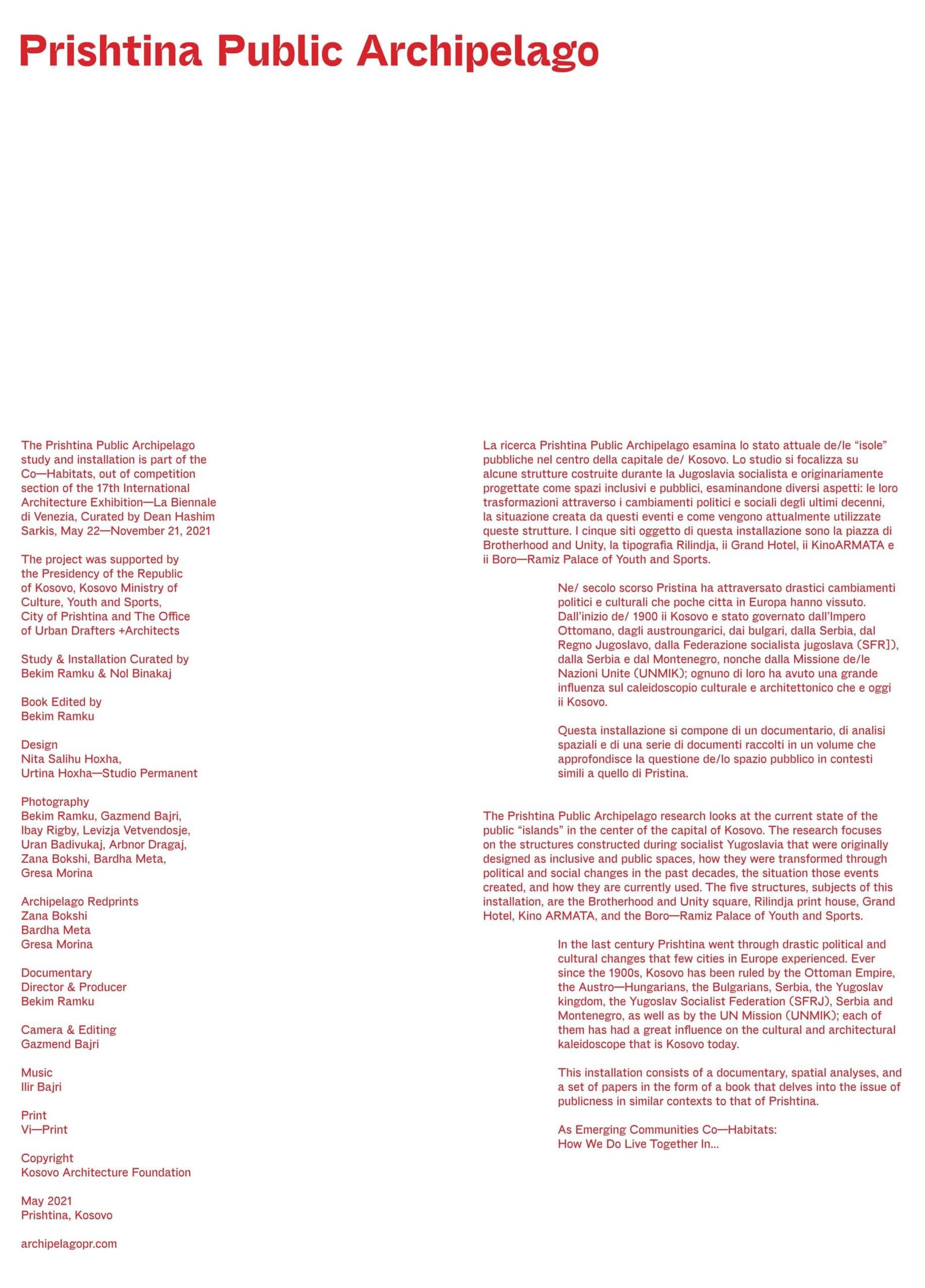
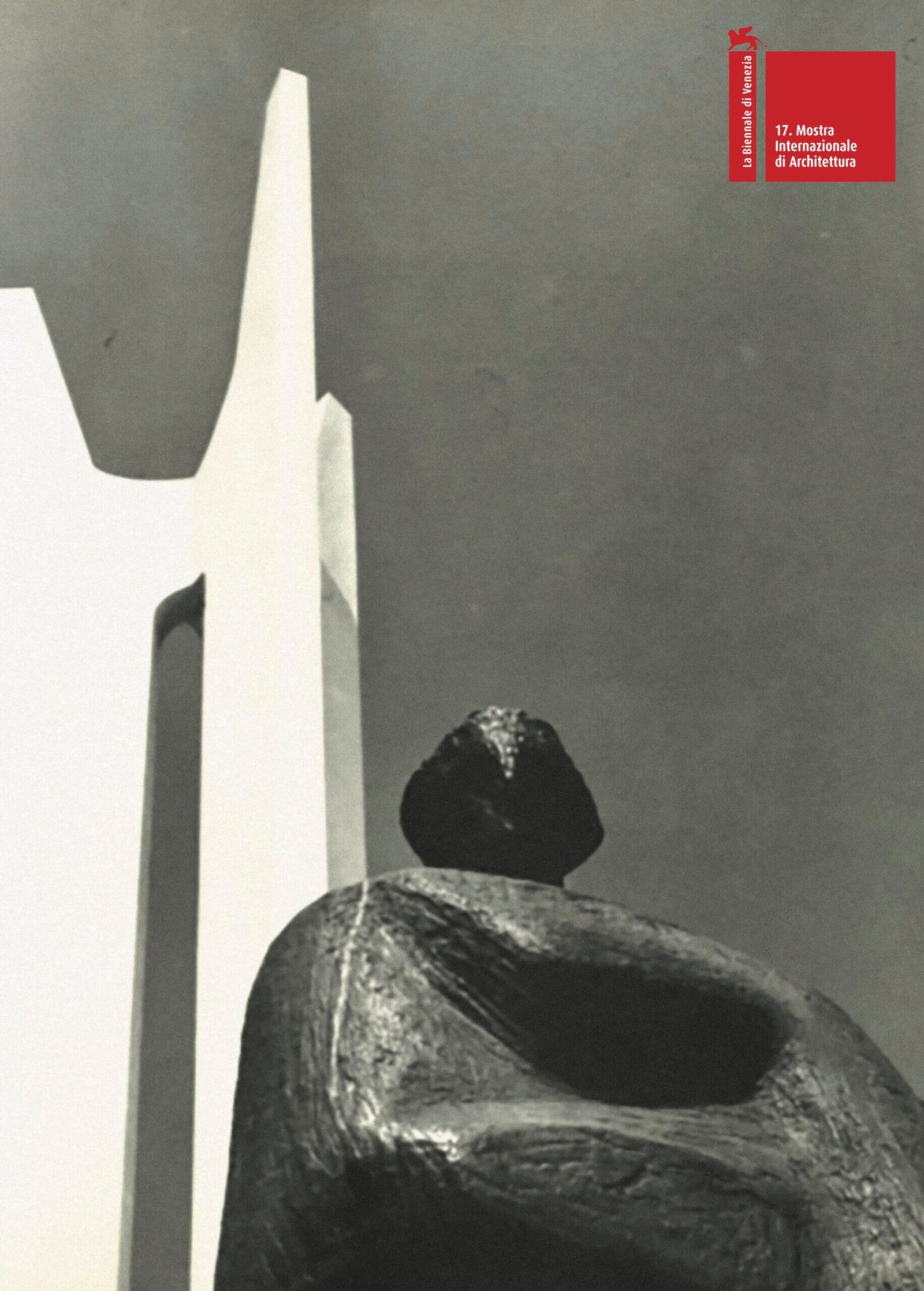
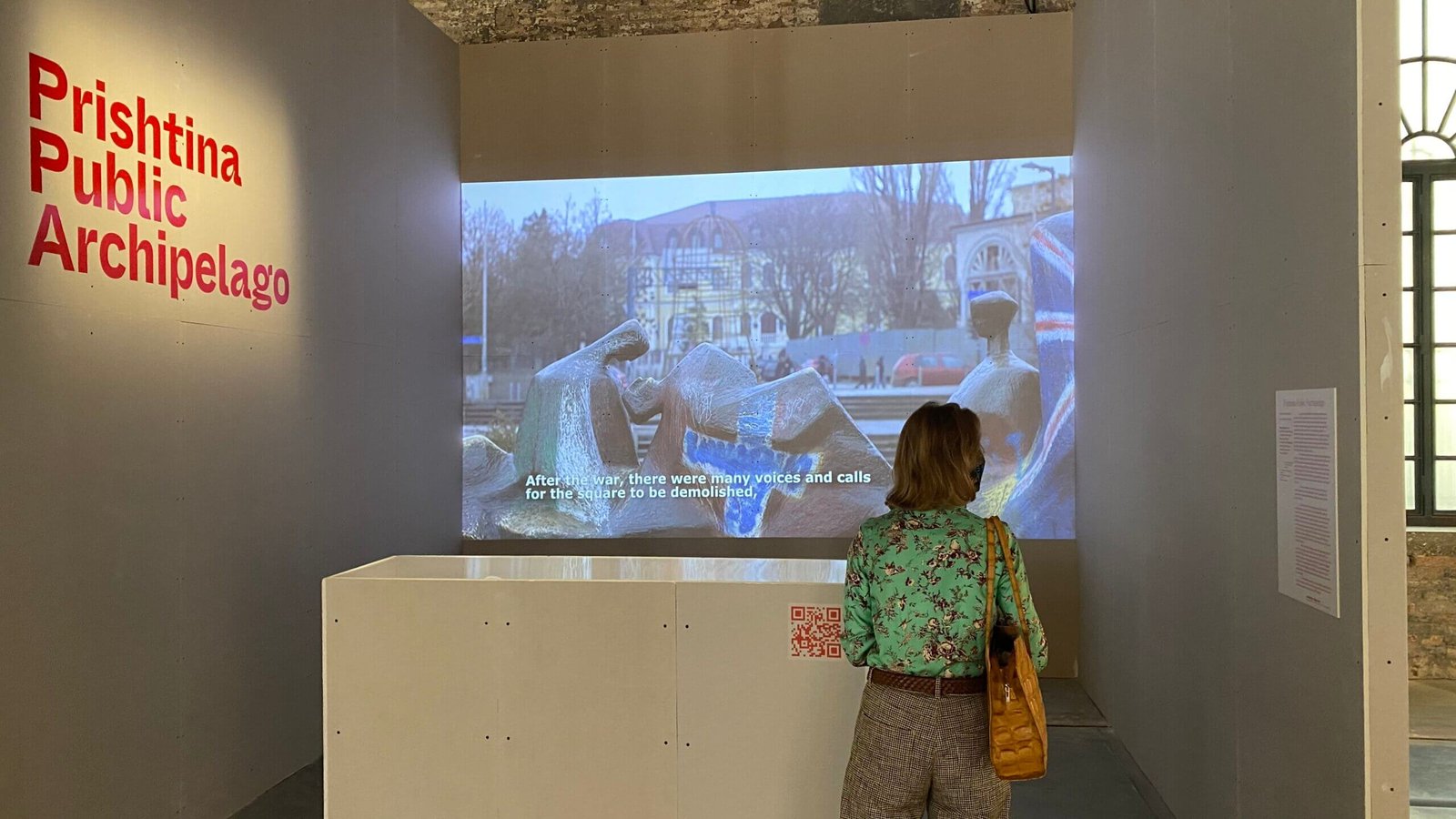
Invited by the Curator of the Venice Biennale Prof. Hashim Sarkis, OUD+Architects together with the Kosovo Architecture Foundation presented Prishtina Public Archipelago at the 17th International Architecture Exhibition of La Biennale di Venezia in Venice, Italy — world’s most prestigious architecture exhibitions held under the curatorial theme “How will we live together?”.
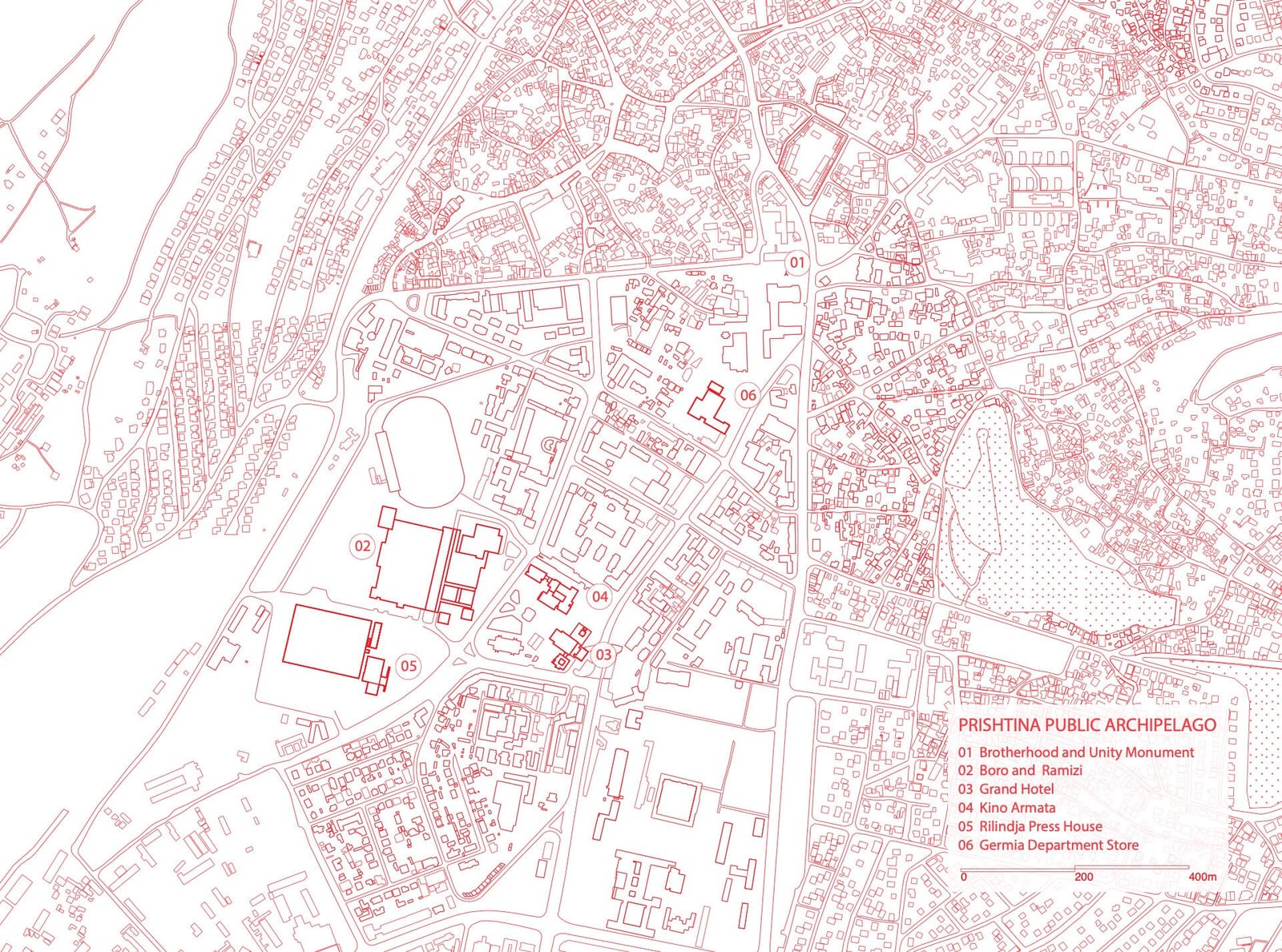
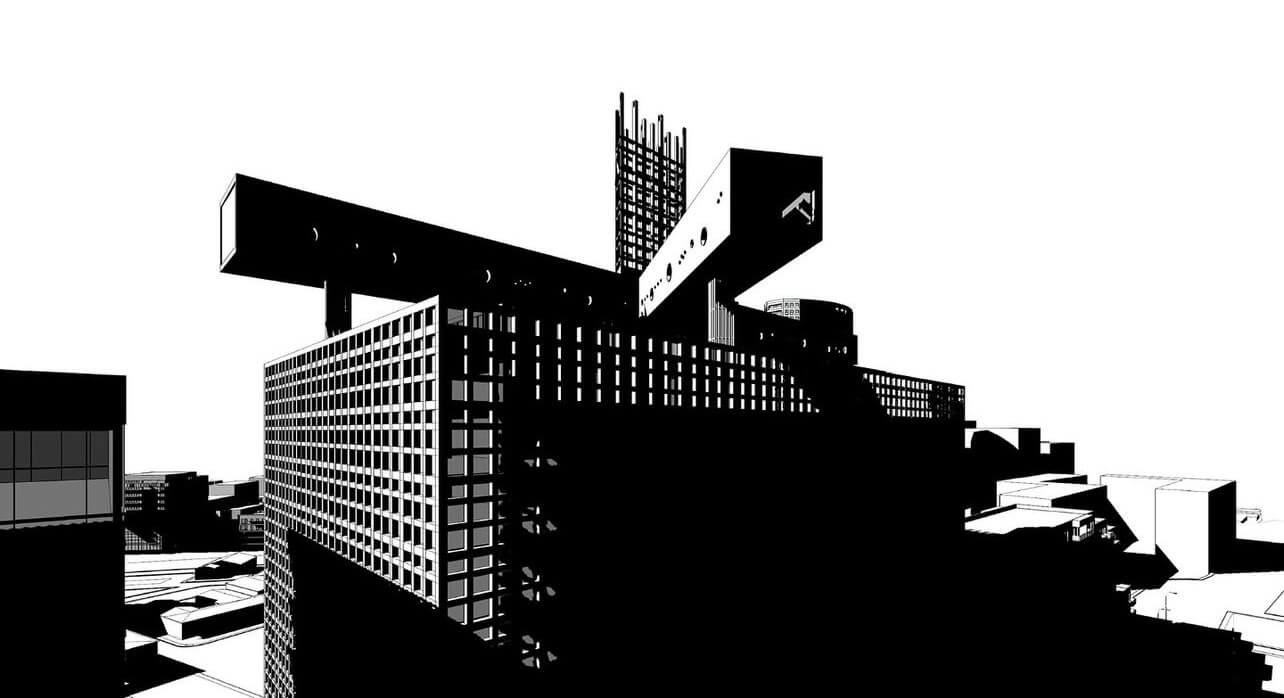
Curated by Bekim Ramku with assistant curator Nol Binakaj, Prishtina Public Archipelago explored the evolving nature of public space in the capital of Kosovo. The installation, featured in the Co-Habitats section at the Arsenale, examines a constellation of “public islands” in Prishtina — key civic structures originally conceived as inclusive social spaces during the socialist era, and the ways they have been reshaped by political, cultural, and socio-economic transformations over recent decades.
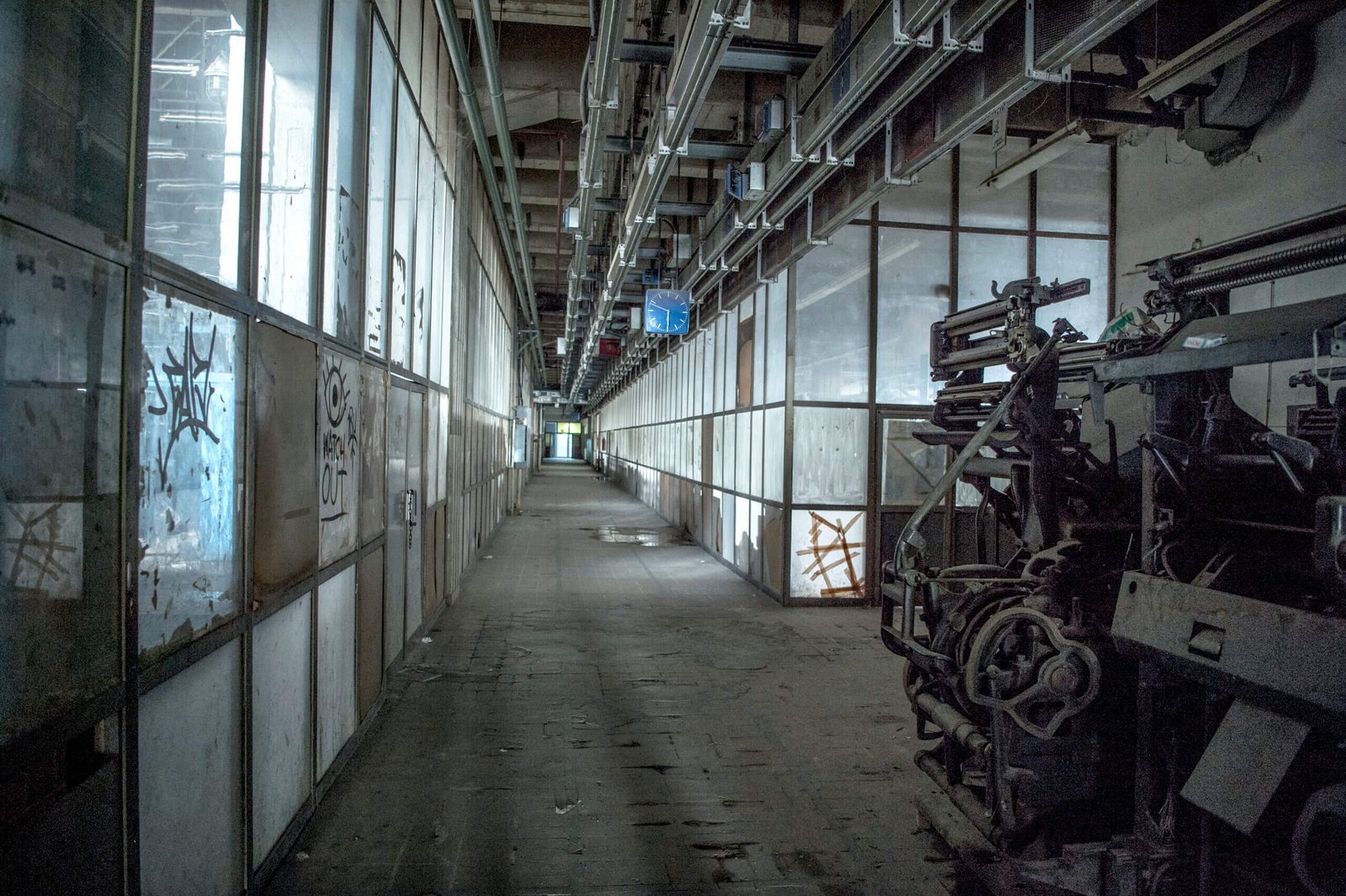
The research highlights five emblematic sites at the heart of the city: Brotherhood and Unity Square, Rilindja Print House, Grand Hotel, Kino ARMATA, and the Boro-Ramiz Palace of Youth and Sports. These places, once central to the collective urban life of Prishtina, now reflect complex overlaps of memory, identity, and contested publicness. Through documentary media, spatial analysis, and critical essays, the installation unfolds a layered narrative about public space — its potentials, its erosion, and its possible futures.
Principally a research-driven architectural investigation, the exhibition did not merely document physical transformations — it also engaged with the broader socio-political forces that have reconfigured how people inhabit and appropriate shared spaces in post-socialist cities. By situating Prishtina within the global Biennale context — alongside projects from cities such as Beirut, São Paulo, Hong Kong, and Lagos — the installation positioned local spatial phenomena within larger conversations about coexistence, civic life, and collective space.
Beyond its presence at the Biennale, Prishtina Public Archipelago catalyzed further research, publications, and dialogues about publicness in urban contexts, contributing to ongoing debates about heritage, memory, and the politics of urban space in Southeast Europe.
For more information view the official Biennale website , Archipelagopr.com or watch the documentary exhibited at the Biennale.